is using a vpn legal: country by country look
Is using a vpn legal is a question many readers ask before deciding to try a vpn for privacy, streaming or access to information. The short answer is that it is legal in most places, but the details depend on where you live and what you do with it. This guide walks through legality by region, explains legitimate uses, and offers practical tips for using a vpn responsibly. If you want a quick primer on choosing a service, you can check our Best vpn for streaming in 2026 and our Best VPN For Android Devices guides for device specific considerations. For questions about how to set up a vpn on a router that works for you, see our guide linked here how to set up a vpn on a router that works for you.
How legality varies by region
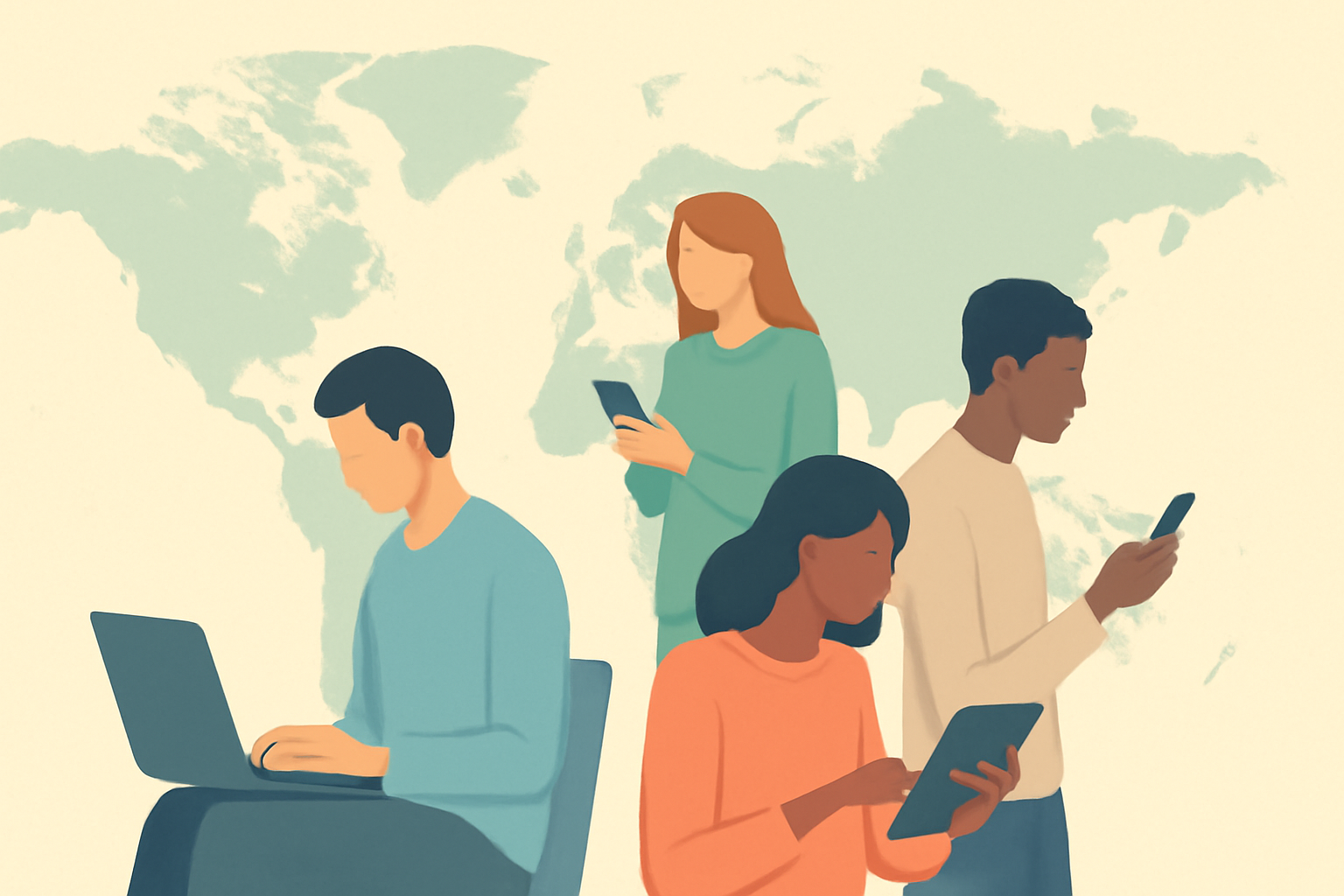
Laws and norms around virtual private networks can be very different depending on the country or even the city. A vpn is a tool that can enhance privacy, protect data on public networks, and allow access to information that may be otherwise restricted. These are legitimate uses that many people rely on daily. They also can be misused, which is why it matters to understand the regional framework before you install and use a vpn.
Western democracies with broad protections for privacy
In many western countries the use of a vpn is legal and widely accepted as part of digital privacy practices. People use vpn services to protect sensitive data on public wifi, to access their own home networks when traveling, and to avoid tracking by advertisers in a way that aligns with local regulations. In these places you will generally find that providers publish transparent privacy policies and do not require government registration beyond what is necessary for consumer protection. You should still verify that a vpn you choose adheres to a clear no logs policy and uses strong encryption. For broader context on internet privacy standards, you can consult resources from Wi-Fi Alliance and other standards bodies.
Countries with strict control over online content
Some countries restrict access to certain sites or services and impose rules on vpn usage. In a few cases, using a vpn to bypass content blocks is illegal or requires registration with authorities. The penalties can range from fines to more serious sanctions. If you live in or travel to a jurisdiction with such rules, you should be cautious and stay within the law. When in doubt, review official government guidance or court statements about digital privacy tools.
Regions with outright bans or licensing requirements
There are places where the government directly blocks or narrows the use of vpn apps. In these areas people may be prosecuted for using an unregistered vpn, or for using a vpn to access content that is restricted. In such environments, relying on local guidance and choosing compliant tools is essential. If you rely on a vpn for business or study, consult your organization’s IT policy and legal counsel before deployment.
Markets with evolving rules
Many countries are updating their rules to reflect new privacy technologies. Some have introduced licensing regimes for vpn providers or require data retention in certain circumstances. In these markets you will want to make sure the vpn you pick is licensed in the jurisdiction that governs your data and that it provides disclosures about data handling. Checking official consumer protection sites and legal analyses can help you stay compliant.
Legitimate uses of a vpn
A vpn is a powerful tool when used correctly. Here are several legitimate uses that many people rely on every day:
Protecting data on public networks
Public wifi hotspots are convenient but can expose devices to eavesdropping. A vpn encrypts traffic so that even if data packets are intercepted, they are difficult to read. This is particularly important for people who work remotely or frequently travel.
Securing personal devices and home networks
A vpn can be part of a broader security strategy that includes a modern firewall and up to date operating systems. When you connect from remote locations to your home network or to office resources, a vpn can create a secure tunnel that reduces the risk of data leakage.
Preserving privacy and reducing tracking
While no vpn makes you anonymous, it can reduce the amount of information that third parties collect about your online activities. It can help prevent some forms of browser fingerprinting and ad tracking. It is important to use a reputable service with a clear privacy policy and to understand how data is handled.
Accessing business or educational resources
Some employers and educational institutions provide access to internal resources through a vpn. In those cases you are following a specific policy and simply enabling a secure connection to protect sensitive information.
Bypassing geo restrictions for personal use
There are occasions when people want to access services from another country, such as streaming libraries they legally subscribe to in other regions. This is a gray area in some jurisdictions, so it is important to understand the local rules and the terms of service of the content provider. For guidance on streaming networks and how to optimize performance, see our DNS for Streaming: Does Changing It Actually Help? article and our practical device guides.
What to know before you install a vpn
Before choosing a vpn, take these practical steps to stay on the right side of the law and protect yourself:
Check the legality in your jurisdiction
Start by looking up official guidance from government or regulatory agencies about vpn usage. This differs widely even within continents. If you are traveling, consider how your destination treats vpn usage to avoid surprises.
Use licensed services with transparent policies
Choose licensed vpn providers that publish encryption standards, privacy policies, and data handling practices. Avoid free options with unclear data collection. Our article on free vpns discusses how to evaluate risk and why free services may be unsafe in many scenarios Are free vpns safe? What you should know.
Read the terms of service for the content you access
When you use streaming services, you are subject to their terms. In some cases a vpn may violate those terms even if it is legal in your location. If you rely on streaming, also consider how to minimize buffering or throttling by optimizing your network setup. For general network guidance, see our guide on Ethernet vs Wi-Fi for Streaming.
Protect yourself with strong technical practices
Use strong authentication, keep software up to date, and avoid sharing credentials. A vpn is part of a layered approach to security, not a single magic solution.
Be mindful of data handling and logging
Some providers claim no logs but still collect metadata required for operation. Read the privacy policy and examine who can access data under law. For device specific recommendations, see our Best VPN For Android Devices and Best VPN For Android: Phones, Tablets & TV Boxes guides.
A quick regional snapshot with a practical table
The regional landscape can look like this in practice. The table below is a simple reference and not a substitute for official regulations.
| Region / Country type | Common legal status of vpn use | Notable restrictions or notes | Example licensed considerations |
|---|---|---|---|
| Western democracies | Legal; widely used | No blanket bans; some service terms apply for streaming | Use reputable providers; follow privacy policy |
| Countries with content blocks | Often allowed for personal use but with monitoring | Bypassing blocks may be restricted; registration may be required | Check official guidance; align with local laws |
| Ban or licensing regions | Restricted or banned in practice | Unregistered usage can carry penalties | Use only licensed providers if allowed; consult local rules |
| Regions with evolving rules | Legal but regulated; provider licensing can appear | Retention and data handling rules may change | Stay updated with official guidance; verify service certifications |
How to choose a vpn that respects the law
Selecting a vpn that aligns with legal and ethical use is about more than price or speed. Consider a few practical criteria that tie back to legitimate use and responsible behavior.
Transparency and audits
Choose providers that publish privacy policies and allow independent audits. A well explained approach to data handling helps you understand what is collected and stored.
Jurisdiction and data retention
The legal framework governing data retention can affect how a vpn operates in your region. Providers often release information about which country they are registered in and how they respond to government data requests.
Device compatibility and user experience
A vpn should be easy to set up on your devices, from PCs and smartphones to streaming devices. If you want to connect a vpn to a router to cover multiple devices, see our guide on how to set up a vpn on a router that works for you and use device specific guides like [Best VPN For Android Devices] and Do I Need a VPN for Firestick? Quick guide.
Performance and streaming support
Speed and reliability matter, especially if you use vpn for streaming. Look for options with consistent performance without heavy data caps. For streaming oriented tips, our Best vpn for streaming in 2026 guide is a solid reference.
Community and reputation
Reading user reviews and expert analyses can help you gauge how well a vpn handles privacy, security, and customer support. When you research providers, consider whether they offer a clear user agreement and solid customer service channels.
Common myths about vpn legality
There are several misconceptions about vpn legality that can lead people to misinterpret their rights. A few of the most common points to clarify:
- Myth: Using a vpn makes you invisible. Reality: A vpn hides your traffic from local observers on your device to the VPN endpoint and encrypts it in transit, but it does not make you immune to all monitoring or illegal activity.
- Myth: All vpn services are safe and trustworthy. Reality: Some free or shady providers may log data or expose users to security risks. It pays to stick to licensed, reputable services with transparent policies.
- Myth: Legality is the same everywhere. Reality: Laws vary widely, and a practice that is legal in one country may be restricted or prohibited in another.
Where to find guidance and further reading
If you want more context on privacy technologies and how to use them responsibly, you can explore reputable sources about privacy standards and device security. For general streaming and network optimization, see our articles on DNS for Streaming: Does Changing It Actually Help? and Ethernet vs Wi-Fi for Streaming: Which Should You Use?. You may also want to review our broader sections on VPN and privacy at the VPN & Privacy (section) page to understand how these tools fit into a larger privacy strategy.
Practical steps for responsible use
If you decide to use a vpn, keep these best practices in mind:
- Stick to licensed providers and avoid unverified apps that promise unrealistic protections.
- Respect local laws and terms of service when accessing content or services from other regions.
- Protect your devices with up to date software and strong authentication in addition to a vpn.
- Regularly review privacy settings and data handling details in your provider’s policy.
- When traveling, verify that your chosen vpn remains compliant with local regulations and avoids risky configurations.
Real world scenarios and advice
Consider a traveler who wants to access streaming libraries from abroad while staying within legal boundaries. The traveler should:
- Confirm that the streaming service allows access from the country they are visiting and how a vpn might affect their account.
- Use a reputable vpn with clear usage policies and speed suitable for streaming.
- Avoid using free services that may log data or inject ads, which can degrade privacy and security.
Alternative strategies for streaming include using licensed services available in the traveler’s current location, or temporarily upgrading plan terms that provide regional access. Our guide to the best live tv streaming services and our general device guides can offer additional pathways for staying within the rules while enjoying content legally. For a broader discussion on streaming privacy and device choices, see our guides in the Live TV Streaming and Device Guides sections.
Closing thoughts
Is using a vpn legal depends largely on where you are and how you use it. In many places it is a legal tool that improves privacy and security when used responsibly. In others there are specific restrictions that you must follow. Always verify with official sources, choose a licensed provider with transparent practices, and use vpn technology as part of a broader, lawful privacy plan. If you want to dive deeper into device specific advice, our Best VPN For Android: Phones, Tablets & TV Boxes article and our Firestick related guidance can help you tailor a setup to your hardware.
Bottom line
Using a vpn is generally legal where it is permitted by local law and used for legitimate purposes such as securing public wifi, protecting personal data, and managing privacy. Do your homework, pick a reputable provider, and operate within the legal framework of your location and any services you access. The right approach is to stay informed, ethical, and responsible in all vpn use.
Frequently Asked Questions
Is using a vpn legal in most places?
Most countries allow vpn use for legitimate purposes, but there are restrictions in some regions.
Do governments ban vpn apps?
A few countries have bans or require registration and monitoring of vpn services.
What should I do to stay compliant?
Read local laws and use trusted, licensed services, plus follow terms of service and avoid illegal activities.
This is an independent editorial site. We do not host, sell, or distribute any streams or subscriptions. Always verify that a service is properly licensed in your country. Some links may earn us a commission at no cost to you.