Best vpn for streaming in 2026
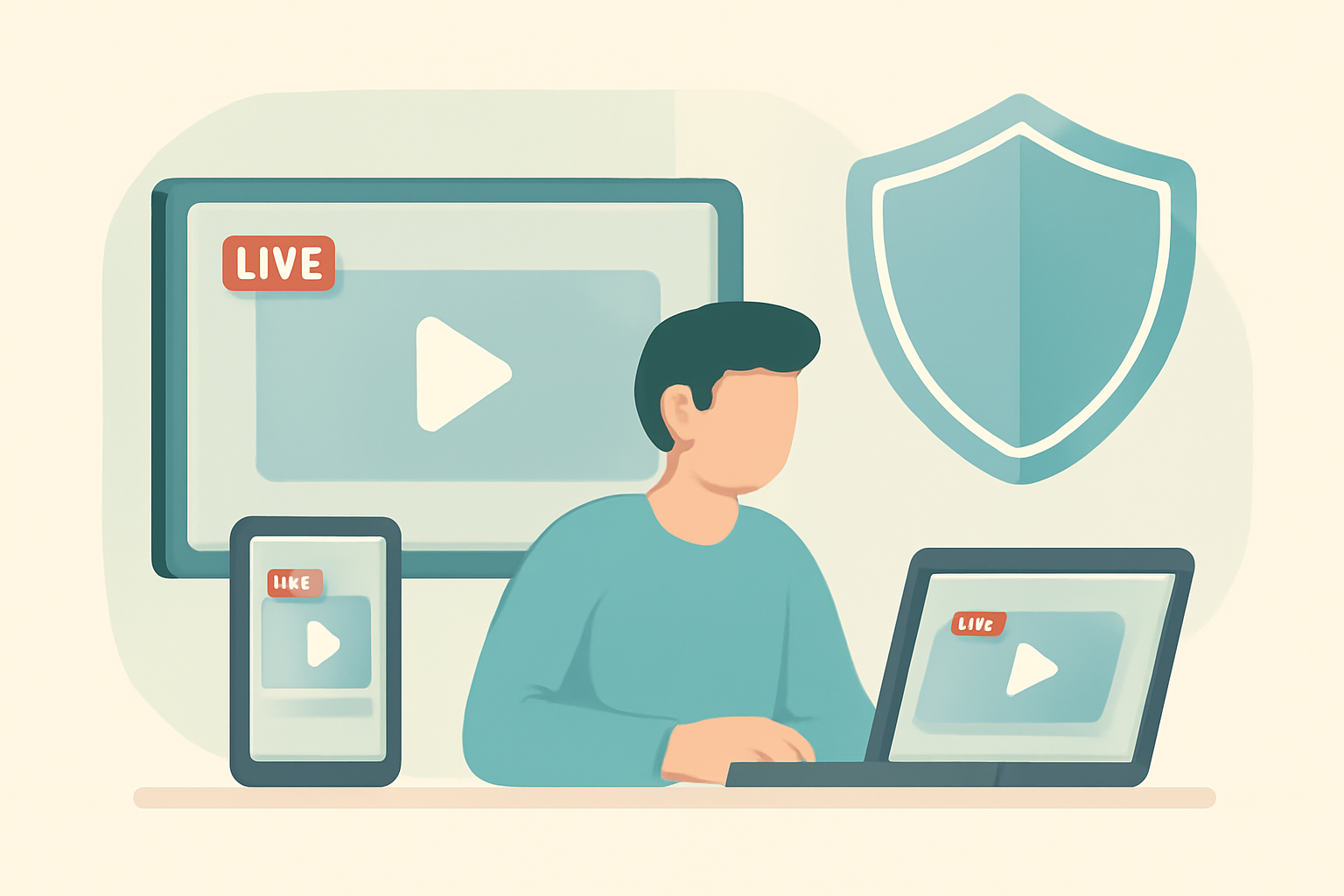
If you stream a lot of content from different services, a well tuned vpn for streaming can be a practical shortcut to better access and privacy. A reputable provider helps you bypass regional blocks without sacrificing speed, and it keeps your connection encrypted so your viewing habits stay private. This article focuses on three to five solid options that score well in speed, device apps and streaming reliability. For context on how to optimize your setup, check our DNS for Streaming: Does Changing It Actually Help? and 3 Best VPNs for Firestick & Fire TV. See also how to balance network load with your hardware by reading Powerline vs Mesh vs Ethernet: Getting Wired-Grade Streaming Anywhere.
How we evaluate the best vpn for streaming
Our method centers on real world performance. We look at:
- speed on common long haul routes,
- availability of dedicated streaming servers,
- compatibility with major platforms and devices,
- reliability for live sports and on demand libraries,
- and the provider’s stance on privacy and logs. We prefer services with clear independent audits or transparent privacy pages. For a broader picture of why people use vpn for streaming, you can read VPNs for Streaming: What They Do, When You Need One. For hardware considerations, see Router Placement & Wi-Fi Optimization for Streaming.
Top picks for 2026
Below are three to four services that consistently deliver stable streaming experiences across the most common devices. Each entry notes platform support, typical app availability and streaming reliability. When you want a deeper dive on each option, you can visit their official pages via the external links below.
ExpressVPN
ExpressVPN is known for broad device support including Windows, macOS, iOS, Android and Linux, plus browser extensions. It maintains a large network of servers optimized for streaming and claims strong performance for geo blocked libraries. It also offers guided setup for devices like Fire TV and Android TV boxes. For setup specifics on how to get streaming running on your hardware, see our Best VPN For Android: Phones, Tablets & TV Boxes and visit the provider’s site at ExpressVPN. External sources note ExpressVPN as a long standing player in the VPN market. See Wikipedia on Virtual Private Network for general VPN background.
NordVPN
NordVPN routinely tops performance charts for streaming thanks to its large server fleet and specialty servers. It supports all major platforms and has straightforward apps with options to auto connect and quickly switch servers for different libraries. You can start exploring streams with their apps and guides, and you can also read about general streaming benefits on our VPNs for Streaming: What They Do, When You Need One article. More details are available on NordVPN.
Surfshark
Surfshark stands out for value with access on unlimited devices per account and reliable connections to major streaming libraries. Its apps cover desktop and mobile platforms, plus smart TVs and browsers. This makes it a good choice for a mixed environment where a single subscription serves a family with multiple TVs and devices. For Android specific guidance, check our Best VPN For Android: Phones, Tablets & TV Boxes and look at Surfshark’s own setup pages on their site at Surfshark.
Proton VPN
Proton VPN brings a different angle with strong privacy focus and a transparent approach to data handling. It has a solid lineup of apps and can work well for streaming when you choose the right servers. If you want to compare privacy oriented options, review the general VPN guidance in this guide and the Proton VPN service page at Proton VPN.
Table: side by side feature snapshot
| VPN service | Main streaming speed focus | Platform apps | Streaming reliability notes | Notable privacy stance |
|---|---|---|---|---|
| ExpressVPN | Fast global servers, optimized for streaming | Windows, macOS, iOS, Android, Linux, routers | Strong performance on most major libraries | Clear privacy policy, 30 day money back guarantee |
| NordVPN | Large server pool, specialty streaming servers | Windows, macOS, iOS, Android, Linux, extensions | Reliable for popular services with automatic server switching | Independent audits, strict no logs policy |
| Surfshark | Good value, unlimited devices | Windows, macOS, iOS, Android, Linux, TVs | Consistent connections to major libraries | Privacy focused with no logs and transparent governance |
| Proton VPN | Privacy first, transparent practices | Windows, macOS, iOS, Android, Linux | Solid when paired with recommended servers | Strong emphasis on privacy and audits |
Choosing the right setup for your home network
The hardware you use matters as much as the vpn service itself. A fast connection from your ISP helps, but you still need to optimize the last hop to the router and the devices you stream on. For a wired baseline, consider Ethernet connections for smart TVs and streaming boxes where possible. If you rely on WiFi, focus on router placement and potentially a wired- backhaul solution like Powerline or mesh for coverage in larger spaces. See our analysis on Ethernet vs Wi-Fi for streaming to guide your decisions. Also, if you want to ensure your local network is ready for streaming demand, you can review Bandwidth for Multiple Devices: Planning a Streaming Household.
How to set up a vpn for streaming on common devices
- Android devices: Install the provider’s app from the Google Play Store, log in, and enable smart location switching or auto connect to a streaming optimized server. If you prefer a dedicated phone or tablet setup, read our guide Best VPN For Android: Phones, Tablets & TV Boxes. For a broader Android guide, check Best VPN For Android Devices.
- Firestick and Fire TV: Most major vpn providers offer a Firestick ready app or a sideloaded solution. The guide 3 Best VPNs for Firestick & Fire TV walks through setup on these devices and how to switch servers quickly for streaming.
- Desktop and laptop streaming: Install the app on Windows or macOS, turn on a streaming optimized server, and test on a few libraries to confirm which server gives the best buffer-free experience.
Practical tips to maintain buffering-free streaming
- Use a wired connection wherever possible. If you must use WiFi, place the router in an open area away from walls and electronics that interfere with the signal. For more detail on network quality, see Router Placement & Wi-Fi Optimization for Streaming.
- Run a quick network health check when you notice slowdowns. A simple diagnostic can identify if the issue lies with your home network or the streaming service. We cover that diagnostic workflow in How to Fix Buffering: The Complete Diagnostic Guide.
- Consider limiting 4K streaming to a single device when others are using bandwidth heavy apps to reduce congestion.
- For households with many devices, plan your bandwidth usage with a guide like Bandwidth for Multiple Devices: Planning a Streaming Household. This helps you anticipate when you might need to upgrade or segment traffic.
How to pick the best vpn for streaming for your setup
- Look for streaming friendly servers. The best providers publish lists or allow quick server switch for streaming. They should also have apps that work smoothly across devices you own.
- Verify compatibility with your primary streaming services. Some services actively block VPNs; reputable providers rotate IPs and use obfuscated servers to improve reach.
- Check privacy and logging policies. A strong no logs commitment plus clear audits is a plus for long term privacy.
A note about legality and policy
Using a vpn for streaming is common in households that want privacy and access to a broader content library. However, you should respect the terms of service for each streaming platform and comply with local laws. If you want to understand the broader policy landscape, consult general sources on VPN use and streaming, such as introductory articles on Wikipedia. For technical background on how VPNs function in streaming contexts, see Wikipedia on Virtual Private Network.
Real world testing tips for the best vpn for streaming
- Run speed tests from your main streaming device to the vpn server you plan to use. This helps confirm you have adequate headroom for your library. If you see inconsistent speeds within a single provider, switch to a different server within the same network group.
- Test at least two devices that you use for streaming. If your household has a mix of devices, it is worth verifying that the vpn works well across all of them. The official setup guides for each provider can help you tailor settings for Android devices or Firestick. For Android devices, see our Best VPN For Android: Phones, Tablets & TV Boxes.
- Confirm live sports streams are not interrupted by server changes. If a game goes to commercial break or changes in stream quality, you can quickly switch servers to resume viewing without reauthenticating.
Common questions about streaming with a vpn
- Do all vpn services work with all streaming platforms? No. Some services actively block known vpn IPs. A reputable provider typically offers a selection of streaming optimized servers and obfuscated connections to help bypass blocks.
- Can a vpn increase streaming speed? It can help if your ISP throttles streaming traffic or if you are on a congested local network. In many cases a vpn adds a bit of overhead, but a fast provider with well distributed servers can minimize this.
- Is it safe to use a vpn on a shared or public network? Using a vpn is smart on public networks to protect your data from others on the same network. Choose a provider with strong encryption and a no logs policy for best results.
Practical comparison snapshot
The table above shows how the major options compare in terms of streaming readiness, app breadth and privacy posture. For further reading on how a vpn helps with streaming, see our in depth guide and the provider pages for the services discussed.
Additional context and reading
- For an overview of how vpn tech interacts with streaming services, see our guide VPNs for Streaming: What They Do, When You Need One.
- If you want to explore other streaming related topics, you can read about the best live tv streaming service for 2026 Best live tv streaming service: 2026 comparison.
Bottom line
Choosing the best vpn for streaming means balancing speed, broad device support and reliable access to your favorite libraries. ExpressVPN, NordVPN, Surfshark and Proton VPN are strong contenders when you want a straightforward setup and consistent performance across devices. Always pair a high quality vpn with solid home network practices like using wired connections where possible and optimizing Wi-Fi layout for streaming.
Bottom line remains: tested, reputable vpn services give you more control over what you watch and how you protect your privacy online while you enjoy high quality streams.
Bottom line
If you want a concise takeaway, the best vpn for streaming in 2026 combines fast, reliable streaming servers with solid device apps and clear privacy policies. Use one of the options above and tailor it to your devices, then consult our related guides for setup and network optimization. For Android devices and Firestick users, follow the dedicated setup guides linked in this article to get streaming running quickly.
Frequently Asked Questions
Do VPNs affect streaming quality?
A VPN can impact speeds depending on server load and distance. Choose a fast provider with optimized streaming servers.
Is a VPN legal for streaming?
VPN legality varies by country. Use reputable services and respect local laws and streaming service terms.
Can I use a VPN on a Firestick or Android device?
Yes. Many reputable VPNs offer apps for Firestick and Android, with setup guides available on the provider site.
This is an independent editorial site. We do not host, sell, or distribute any streams or subscriptions. Always verify that a service is properly licensed in your country. Some links may earn us a commission at no cost to you.