IPTV vs Cable TV: What’s the Difference?
IPTV vs Cable TV: What’s the Difference?
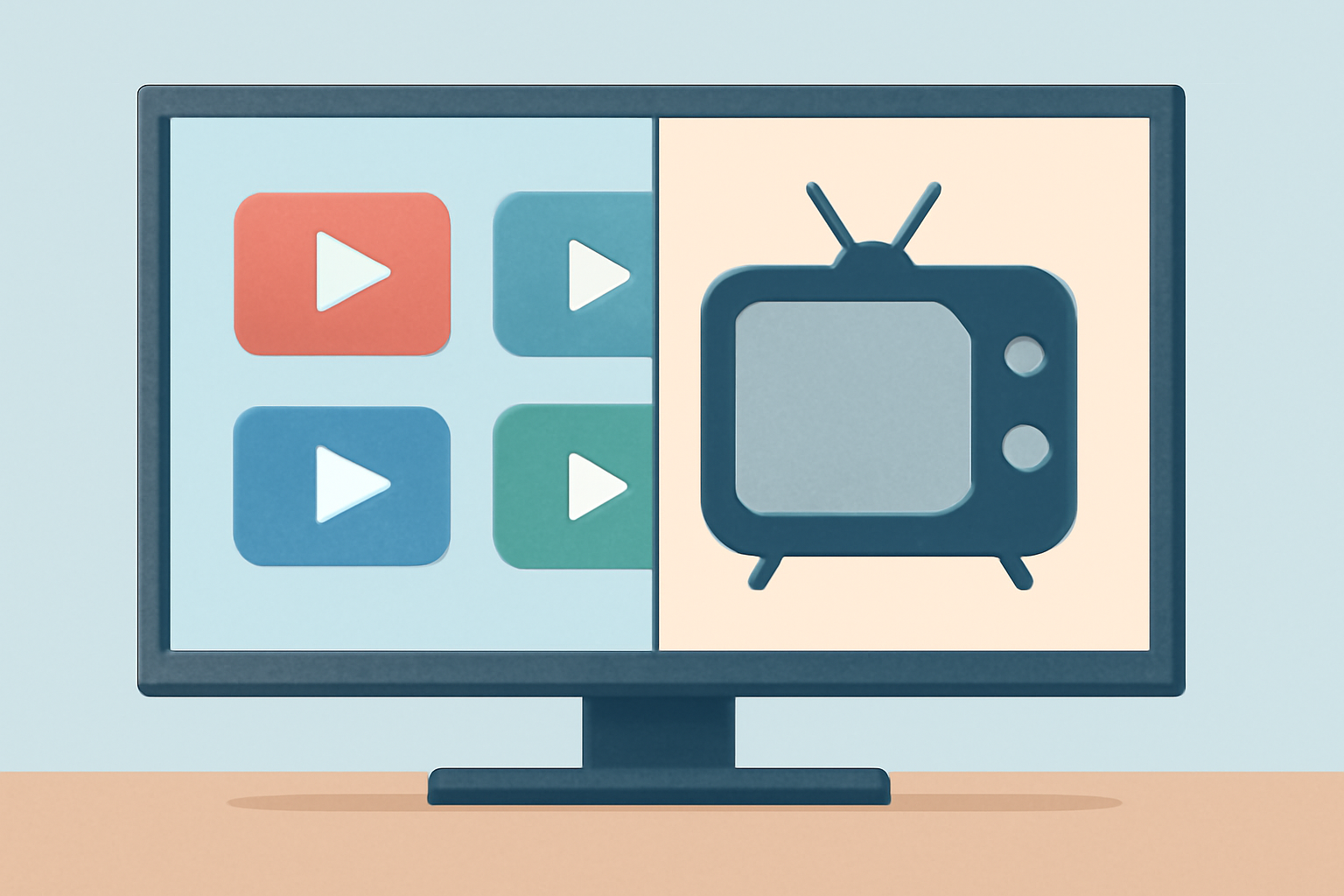
If you’re weighing IPTV vs cable tv, you want a straightforward sense of how they differ in technology, costs, and everyday use. IPTV delivers television over the internet, typically through licensed services that stream content to apps or set top devices. Cable TV, by contrast, uses a physical coaxial network owned by a local provider. The choice affects not just channels and price but also flexibility, privacy, and how you watch on different screens. This guide sticks to official, licensed services and practical realities so you can decide with confidence.
How the technology works and what it means for you
IPTV is built on the same internet you use for browsing and video calls, but with specialized video delivery. The service provider encodes channels into streams and pushes them to compatible apps or devices. A modern IPTV setup often uses a dedicated app or middleware like an IPTV player on a smart TV, streaming box, or mobile device. Because the content travels over your internet connection, you can watch on multiple devices without a separate cable box, which can reduce hardware clutter. For readers curious about the nuts and bolts, a solid overview is available in What Is IPTV? How Internet TV Actually Works, and you can explore how legal options structure these streams in What is IPTV and how it works with legal options.
Cable TV relies on a dedicated network built by the provider in your area. Signals travel through coaxial lines, are processed at local hubs, and arrive at a set top box or integrated TV tuner. The draw of cable is predictable performance within the provider’s footprint, a known lineup, and often reliable national and local news channels. But as streaming gains traction, some people see limitations around device compatibility or the ability to pause live TV without a DVR or to access on-the-go viewing without maintaining a home subscription.
Cost structures and what you actually pay for
Pricing is one of the big differentiators between IPTV and cable tv. IPTV costs hinge on the licensed service you choose, add-on channel packages, and whether you rely on a streaming box, smart TV app, or a third party IPTV player. Because these services stream over your internet, you’ll also want to budget for sufficient bandwidth and data usage if your plan has caps. When estimating IPTV costs, it helps to compare packages side by side. See how to approach this with guidance on choosing a legal IPTV service and a buyer checklist How to Choose a Legal IPTV Service: A Buyer’s Checklist, plus practical setup steps in IPTV smarters pro setup guide.
Cable TV pricing varies by market but generally includes a monthly service fee, taxes, regional sports charges, and optional DVR service. There may be equipment rental fees for the set top box and sometimes an outlet charge if a technician needs to install or service lines. For people who want transparent cost comparisons, you can look at general guidance in reviews like IPTV vs Cable TV: Which Is Better in 2026? and then check local offers to see what fits within your budget.
When evaluating overall value, consider:
- Hardware and setup costs: IP TV often minimizes hardware since many services run on existing devices, while cable sometimes requires a dedicated box or modem.
- Channel and app lineup: IPTV packages frequently emphasize a la carte or modular pricing, whereas cable packages bundle channels with regional sports networks.
- Data and bandwidth: IPTV will depend on your internet plan; a slow connection can degrade video quality more quickly than a solid fiber or cable broadband plan.
- Regional limitations: Some channels or regional feeds may be restricted in IPTV due to licensing. Always verify what you’ll actually receive before signing up.
Flexibility and a la carte potential
Flexibility is a hallmark of IPTV. It is common to be able to install an official app on multiple devices, including smart TVs, streaming sticks, tablets, and PCs. With a licensed IPTV service, you can often pause or modify your plan online, switch channels with relative ease, and access on-demand options that tally with your viewing habits. The approach is especially attractive to households that want to mix traditional favorites with niche channels and online streaming services. If you want to learn about the legal and safe side of IPTV, review Is IPTV Legal and Safe: What You Need to Know.
Cable TV has long offered reliability and consistent channel lineups, but the flexibility is often tied to the box and contract terms. Some providers support cloud DVR and app access on mobile devices, yet switching plans or menus may require talking to a customer service rep or navigating tiered packages. If you’re curious about choosing a service wisely, see How to choose a legal IPTV service for a sense of how to vet options, and What is IPTV and how it works with legal options to understand licensing and content rights.
Reliability, uptime, and the viewing experience
Reliability is a mixture of technology, network quality, and the provider’s support infrastructure. IPTV reliability depends on your home internet connection. A strong, stable connection reduces buffering and helps maintain consistent video quality. It also makes features like time-shifting, pause live TV, and catch-up more usable. For anyone who wants to maximize privacy and avoid ISP-level tracking during streaming, look into privacy practices and legal options that include clear terms. You can read about privacy considerations in our VPN & Privacy section, and see practical steps in What Is IPTV? How Internet TV Actually Works for background on how streams are delivered.
Cable TV reliability tends to be excellent in areas with strong infrastructure and few outages. However, outages can occur with weather or equipment issues, and service quality can vary by neighborhood. DVR and on-demand features have matured, but the experience is more tied to the provider’s platform and hardware, like a set top box. For a deeper dive into how professionals compare the two, consult IPTV vs Cable TV: Which Is Better in 2026?.
To help visualize some concrete differences, here is a quick spec style comparison:
| Aspect | IPTV | Cable TV |
|---|---|---|
| Delivery method | Over the internet using licensed streams | Coaxial cable network to the home |
| Device compatibility | Smart TVs, streaming boxes, mobile apps | Set top box or compatible TV, sometimes apps |
| Typical cost drivers | Package tiers, add-ons, data usage | Monthly service fee, equipment rental, regional charges |
| Channel access | Licensed channels, often modular | Bundled channels, regional networks |
| DVR options | Cloud or device-based depending on service | Hardware DVR often required or cloud options from provider |
| Flexibility | High due to app-based access | Moderate, depends on provider |
For those who want to dig into how channels and guides are organized in IPTV, check our guide on M3U playlists and program guides, including how channels are listed and managed with M3U Playlists Explained: How IPTV Channel Lists Work and EPG Explained: How IPTV Program Guides Work (and How to Fix Them). These resources help explain why watching performance can vary and how to troubleshoot guide issues.
Pros and cons at a glance
IPTV advantages include:
- Strong device flexibility and often lower hardware needs
- Modular pricing and potential for rapid plan changes
- Access to a broad ecosystem of apps and on-demand content
- Potentially better for travelers who want to watch on multiple devices
IPTV downsides:
- Depends on internet quality; outages can disrupt viewing
- Licensing and availability may vary by region
- Data caps or throttling can impact long streaming sessions
- Not all services are created equal, so choosing a legitimate provider matters
Cable TV advantages:
- Strong reliability on stable cable networks
- Familiar channel lineup and predictable performance
- Sometimes more straightforward for households with existing equipment
- Clear terms from established providers
Cable TV downsides:
- Less flexibility and higher equipment costs in some packages
- Channel bundles may include channels you don’t watch
- Less portability for on-the-go viewing unless cloud features exist
- Ongoing price increases and service fees
If you would like a concrete path to pick the right option, consider our guide on choosing a legal IPTV service and cross-reference with the IPTV vs Cable TV comparison. A few practical steps include reading independent reviews and verifying licensing and terms How to choose a legal IPTV service, plus confirming channel availability and regional restrictions with your chosen provider.
Local live channels versus on-demand content
One practical distinction between IPTV and cable is how local channels and on-demand content are delivered. IPTV may rely on network affiliates streaming feeds over the internet rather than a dedicated local broadcast chain. Some IPTV services offer local channels via streaming arrangements, but availability differs by market. If your goal is solid local news and sports, compare local channel availability with both options and consult a buyer checklist How to Choose a Legal IPTV Service: A Buyer’s Checklist. For hands-on setup, a user-focused guide like Tivimate setup guide for beginners can help you configure a reliable IPTV experience.
Cable TV still often presents strong local channel coverage, especially for live sports and regional news, with a stable streaming path through the provider’s network. If local channels are a priority, talk to local providers and verify the exact channel lineup before deciding.
Privacy and safety considerations
With any streaming option, privacy and safety matter. IPTV in particular can raise concerns if you use unlicensed services. Always choose licensed providers and be mindful of service terms to avoid illegal IPTV offerings. For more context about legality and safety, read Is IPTV Legal and Safe: What You Need to Know. When in doubt about how to protect yourself online while streaming, consider a reputable privacy approach that includes prudent network choices and security practices.
If you want a broader view on how streaming devices and legal options intersect, our device and privacy sections cover practical steps such as using official apps, checking license status, and staying aware of potential privacy concerns. You can also explore related sections like IPTV (section) and Device Guides (section).
What to pick if you want a modern, flexible setup
If you’re after a flexible, modern viewing experience with apps on multiple devices, IPTV often wins on ease of access and customization. For many households, IPTV represents a natural evolution from traditional TV bundles because you can mix in on-demand content and streaming services without being tied to a single piece of hardware. For a quick decision framework, review our practical guides that compare different options and explain the licensing landscape IPTV vs Cable TV: Which Is Better in 2026? and What is IPTV and how it works with legal options.
If you want to continue learning about how to optimize your IPTV setup, consider following guides such as IPTV smarters pro setup guide and What Is IPTV? How Internet TV Actually Works for more context on software and streaming architecture. For broader context about live TV streaming options and where IPTV fits among them, explore our Live TV Streaming (section) and Best live tv streaming service: 2026 comparison.
Practical decision steps
- List channels and apps you actually want to watch and compare against the channel lineup of licensed IPTV services and local cable offers.
- Verify licensing status and confirm that the service is legal and safe to use in your country.
- Check your internet plan and confirm you have enough bandwidth for the number of simultaneous streams you expect.
- Consider devices you own and how easily you can install apps on them.
- Review the total cost of ownership, including equipment, monthly fees, and any data charges.
For a structured approach to choosing, consult the buyer checklists and legality notes mentioned above. Making a careful, informed choice now can prevent surprises later, especially around channel availability and licensing.
Bottom line
IPTV vs cable tv is not just a battle of flashy features. It is about how you want to access content, where you watch, how much you pay, and how much control you want over your viewing experience. IPTV offers flexibility and modern device compatibility with licensing that ensures safety and legality, while cable tv provides solid reliability and a straightforward channel lineup in many markets. Your decision should reflect your household’s viewing habits, internet quality, and appetite for on-demand content. If you want to explore more about selecting a legitimate option and understanding how IPTV works with real options, you can start with our guides on choosing legal IPTV services and the general IPTV framework. For practical setup and troubleshooting, follow the setup guides and keep an eye on official provider terms and conditions.
Bottom line section is a concise recap of the differences and practical takeaways, helping you make a smart, informed choice that suits how you watch TV today.
For quick reading on how to optimize your IPTV experience, you might want to explore What is IPTV? How Internet TV Actually Works, EPG Explained: How IPTV Program Guides Work (and How to Fix Them), and our comparison piece IPTV vs Cable TV: Which Is Better in 2026?. These resources are designed to help you understand what drives the differences and how to set up a legal, safe, and efficient streaming ecosystem.
Bottom line If you’re aiming for flexibility, device variety, and a modern viewing workflow, IPTV tends to suit tech-friendly homes and users who want on-demand access and multi-device viewing. If you prefer predictability, stable local channels, and a familiar hardware path, cable tv remains a solid choice in many regions. Regardless of which path you choose, ensure you’re using licensed services and following best practices for privacy and security.
Frequently Asked Questions
Is IPTV legal to use
Legal IPTV services offer licensed channels and clear terms of service.
Can IPTV replace cable completely
It can replace many cable offerings but depends on channel availability and local regulations.
What about reliability and uptime
Reliability varies by provider, network quality, and your internet connection.
This is an independent editorial site. We do not host, sell, or distribute any streams or subscriptions. Always verify that a service is properly licensed in your country. Some links may earn us a commission at no cost to you.