Is IPTV Legal and Safe: What You Need to Know
Is IPTV Legal and Safe: What You Need to Know
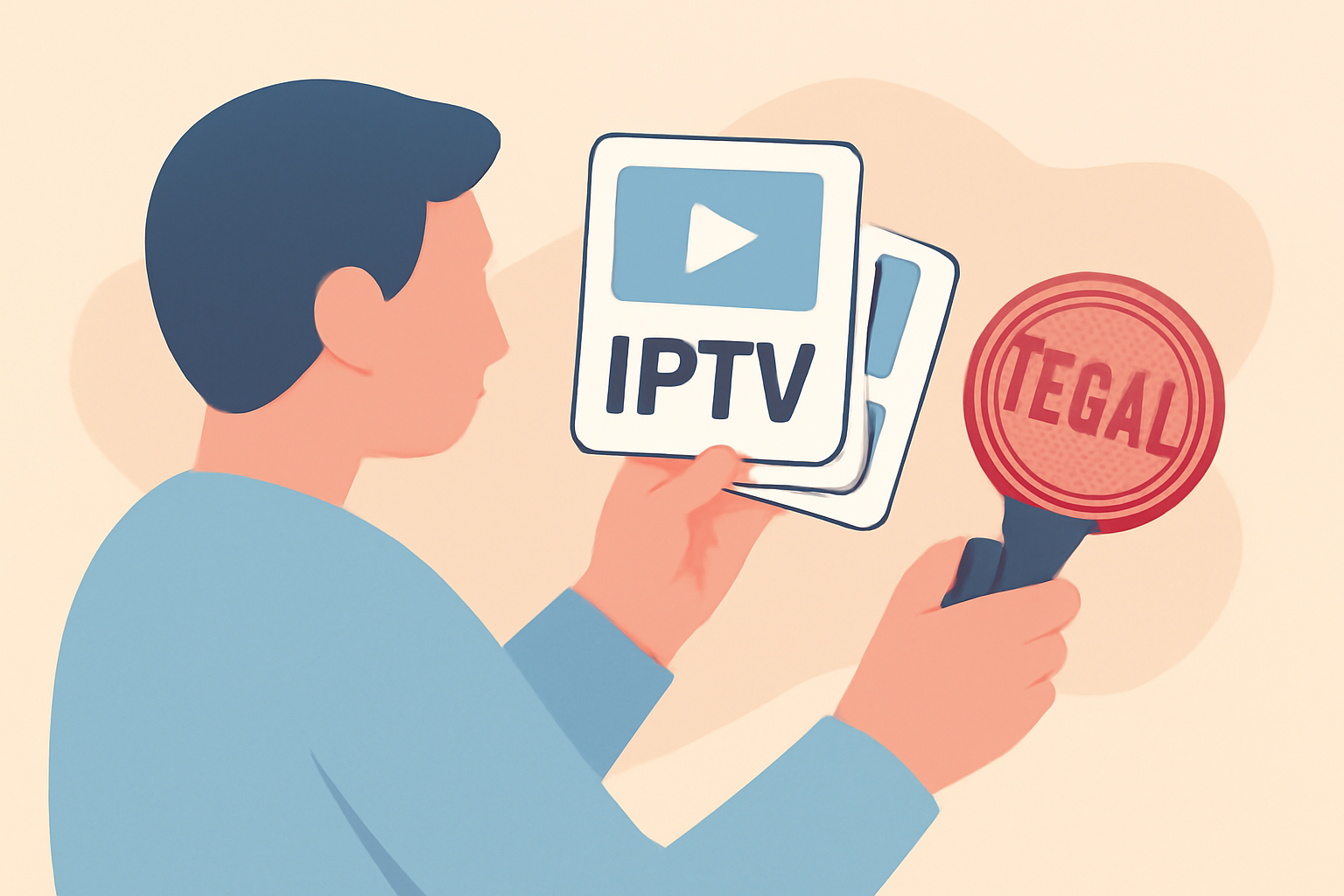
The question is iptv legal is one that comes up a lot when people start exploring internet TV options. You will hear about licensed services offering streaming bundles and about murkier outfits that push unlicensed channels. The truth is simple: legality depends on the provider, the rights they hold, and how they operate. In this guide we break down the legal versus pirate services, the risks involved, and practical steps to stay on the right side of the law.
What makes IPTV legal or illegal
IPTV stands for internet protocol television. It is a way to deliver video content over the internet rather than through traditional broadcast methods. In itself the technology is neutral. The legality comes from who owns the rights to the content and how the service obtains and distributes that content. A legitimate IPTV service partners with rights holders or operates under a proper license to stream the channels and on-demand libraries it advertises. A pirate IPTV service, by contrast, streams channels without permission or distributes unauthorized playlists and apps. It may also use forged or misrepresented licensing information to look legitimate.
If you want to understand the basics before diving deeper, start with our overview of what IPTV is and how internet TV actually works. That article explains the core concepts and helps you spot red flags when evaluating a service. You can also compare IPTV to traditional cable TV to understand what changes when streaming through the internet. Check our What Is IPTV? How Internet TV Actually Works piece for foundational context, and see how IPTV stacks up against cable in our side by side comparison. For practical buying guidance, see How to Choose a Legal IPTV Service: A Buyer’s Checklist.
How licensing shapes what you can watch
Licensed IPTV services must negotiate rights with networks, studios, and distributors. They typically publish their channel lineup and provide clear terms of service. If a service claims to have every major network and sports league for a fraction of the going rate, that is often a warning sign. Licensing agreements have real costs, and legitimate operators disclose essential details about availability, region, and billing.
Some content, like certain live sports or premium networks, requires regional or specific rights. A service offering those channels globally without restrictions is likely not operating legally. The risks of using unlicensed streams extend beyond potential fines. You may encounter malware, intrusive ads, or subpar streams that degrade your viewing experience. For a practical checklist on evaluating legality before subscribing, see our buyer guide on legal IPTV services. If you want to understand how channel lists work in real services, our M3U playlists explained guide can help you spot oddities in playlists that may signal illegitimate sources.
Risks of pirate IPTV services
Pirate IPTV providers often rely on unauthorized streams, which can result in legal exposure for users in some jurisdictions. Furthermore, these services frequently operate with inconsistent uptime, unstable streams, and a lack of customer support. Your personal data may be at risk when using untrusted apps or third party APKs. There is also the possibility of malware embedded in apps or in the pages that distribute them.
In contrast, a legitimate IPTV service operates within a legal framework, maintains customer support, and adheres to privacy and data protection standards. When evaluating a service, look for licensing disclosures, clear terms of service, and visible contact information. For more about privacy considerations when streaming, see our section on VPN and privacy and our device guides for securing your setup. You can also read up on how to cut the cord with live TV streaming to understand practical, legal alternatives that still deliver in-demand channels and streams.
How to stay on the right side of the law
Staying legal is not about avoiding all streaming but about choosing services that have rights to broadcast content in your region. Here are concrete steps you can take.
Pick licensed providers with transparent licensing
Choose services that openly publish their channel lineup and licensing information. If a provider cannot confirm rights to the channels or offers a comprehensive library for a suspiciously low price, it is a red flag. Reputable providers will work within regional licensing rules and publish terms of service you can review before subscribing.
Check licensing and regional availability
Rights for channels can be restricted by country or territory. Even well known networks may not be available outside specific regions. Before subscribing, verify the service lists channels you care about and confirm what is accessible in your location. Our guide on choosing a legal IPTV service includes a practical buyer checklist that asks about licensing terms and regional availability.
Review privacy and data practices
Streaming requires network traffic and account data. Look for services that publish a privacy policy, explain what data is collected, and how it is used. Prefer providers that minimize data collection and offer account security options. If you want to learn how privacy concerns relate to streaming and VPN use, see our VPN and privacy guidance page.
Favor official apps and app stores
Install apps from official app stores where possible. Some pirate services push APKs from untrusted sources, which can expose devices to malware. If you are using a streaming device, consult our device guides to ensure you are installing only legitimate software from trusted sources.
Use legitimate add ons and guides
If you use IPTV in a hardware-agnostic way, rely on credible guides and official documentation. For example, our article on EPG explained how program guides work and how to fix them can help you understand how legitimate guides are integrated into a service. If you want to explore the mechanics of program guides and what makes them reliable, see the article on EPG Explained: How IPTV Program Guides Work (and How to Fix Them).
Be cautious with free options
Free streaming options can be tempting, but they often come with hidden risks and legal ambiguities. Look for services that offer genuine value without compromising quality or rights. Our guide on free legal streaming options can help you identify safe, legitimate alternatives while staying within the law.
A practical comparison: legal vs pirate IPTV services
To help you visualize the differences, here is a simple comparison table that highlights what you should expect from each type of service. The table is schematic and reflects typical distinctions observed in the market. Always verify the specifics of any service you consider.
| Aspect | Legal IPTV service | Pirate IPTV service |
|---|---|---|
| Licensing | Holds rights to channels and on demand content | Often streams without authorization |
| Channel lineup | Transparent, region aware | May be incomplete or inconsistent |
| Pricing | Transparent plans, recurring billing | Low price, sometimes hidden fees |
| Content quality | Licensed streams, reliable uptime | Variable quality, higher risk of outages |
| Support | Customer support and documented terms | Limited or no support, potential scams |
| Security | Up to date apps, verified stores | Higher risk of malware or compromised apps |
If you want deeper guidance on how legitimate services compare, check our IPTV vs Cable TV comparison to understand where streaming fits in the broader entertainment landscape. You can also explore our M3U playlists explained article for a technical look at how channel lists are constructed in legitimate contexts.
How to verify a service before subscribing
A careful check before subscribing saves you trouble later. Here are steps you can take to verify legitimacy.
Look for licensing transparency
A legitimate provider should publish licensing information, regional availability, and a clear terms of service. If licensing details are missing or vague, proceed with caution. You can verify ownership and rights by cross checking with official networks’ or networks’ own statements where feasible.
Read user experiences with a critical eye
Customer reviews and independent reviews can reveal recurring issues. Be wary of overly positive, uniformly glowing testimonials for new or unknown services. Cross reference with reputable tech publications and user forums to identify common complaints or red flags.
Inspect the interface and app provenance
Apps from official stores are generally safer. If a service asks you to sideload an app or download from a third party site, that is a common red flag. Look for consistent branding, legitimate app listings, and in app help or support options.
Confirm device compatibility
A legitimate IPTV service typically supports multiple devices and platforms with official apps. If a provider promotes a web player alone or requires unusual device configurations, that might indicate a problem. Our device guides cover how to set up streaming devices properly and safely.
Check for privacy and security controls
A trustworthy service offers enforceable privacy protections, secure payment processing, and controls such as two factor authentication. If a provider asks for excessive personal data or refuses standard protections, rethink the subscription.
Where to learn more from reputable sources
For a broader understanding of the streaming landscape and legal issues, look to established sources and official statements from networks and standards bodies. General information about IPTV, streaming technologies, and privacy practices can be found in the following places:
- Official streaming device and network operator resources for device setup and security guidelines. These sources often provide instructions that help you stay within the law while maximizing your viewing experience. For a general primer on how IP TV works, you can also look at Wikipedia or open standard bodies for a broad overview.
- VPN and privacy resources that explain how to protect yourself while streaming legal content. A reputable VPN provider often publishes articles about privacy protections and best practices for streaming in a lawful manner.
If you are curious about how true IPTV is designed to work, you can read about the core concepts of IPTV in our What Is IPTV guide. For insights into the difference between IPTV and traditional cable, our IPTV vs Cable TV piece offers a direct comparison.
Practical tips to maintain a compliant setup
- Rely on provider documentation for installation instructions and ensure you are using official apps from trusted app stores.
- Keep your streaming devices updated with the latest firmware to reduce security risks.
- Use a reputable, licensed service for the channels you want most, and avoid services offering large channel lists at suspiciously low prices.
- Review your jurisdiction’s laws about streaming. Some regions have strict penalties for using pirate streams, while others focus on content rights and consumer protection.
How to improve your understanding of program guides and playlists
IPTV hinges on accurate program guides and well organized channel lists. If you want to understand how guides work and how to fix them when they misbehave, our EPG guide is a solid resource. In addition, our M3U playlists explained article can help you recognize legitimate playlist structures and avoid questionable ones. If you are evaluating a service, you can read about how IPTV program guides work and what license terms look like in practice.
Real-world decision points
- If you need a quick baseline, consider a service that offers a clear channel lineup, named networks, and explicit regional availability. That combination reduces the risk of accidentally subscribing to an illegal stream.
- If you want to compare how IPTV stands up against cable, our IPTV vs Cable TV: Which Is Better in 2026? piece gives practical context about cost, reliability, and content availability.
- If you are evaluating a service for sports content, verify what leagues or networks are included and whether the rights are region locked. If a service claims access to all major leagues without any regional restriction, that is a strong warning sign.
The bottom line on is iptv legal
IPTV itself is a technology and not inherently illegal. The legality rests on the provider’s licensing and the rights they hold to broadcast content in your location. To stay on the right side of the law, subscribe only to licensed IPTV services with transparent terms, respect regional rights, protect your privacy, and avoid apps or playlists that seem suspicious or offer questionable legitimacy. When you apply these principles, you can enjoy internet television with confidence.
If you want to learn more about how to select a legal IPTV service, our buyer checklist is a great place to start. It covers licensing, regional availability, pricing transparency, and service support. For more background on the technical underpinnings, see our What Is IPTV article and the M3U playlists explained guide. And if you are comparing IPTV to other watching options, the IPTV vs Cable article offers practical insights to guide your choice.
Bottom line: choosing a licensed service and protecting your privacy makes IPTV a legitimate, user friendly option for modern TV viewing. To stay informed as the landscape evolves, follow our IPTV section for regular updates and practical how-tos that keep you compliant and secure.
Frequently Asked Questions
What counts as a legal IPTV service?
A licensed service that operates with rights to broadcast the channels it offers.
Are free IPTV apps safe to use?
Free apps can be risky and may violate rights or expose you to malware.
How can I verify a service is legitimate?
Check for licensing information, official channel lists, and user reviews from trusted sources.
This is an independent editorial site. We do not host, sell, or distribute any streams or subscriptions. Always verify that a service is properly licensed in your country. Some links may earn us a commission at no cost to you.