IPTV Provider Red Flags to Avoid Unlicensed Sellers
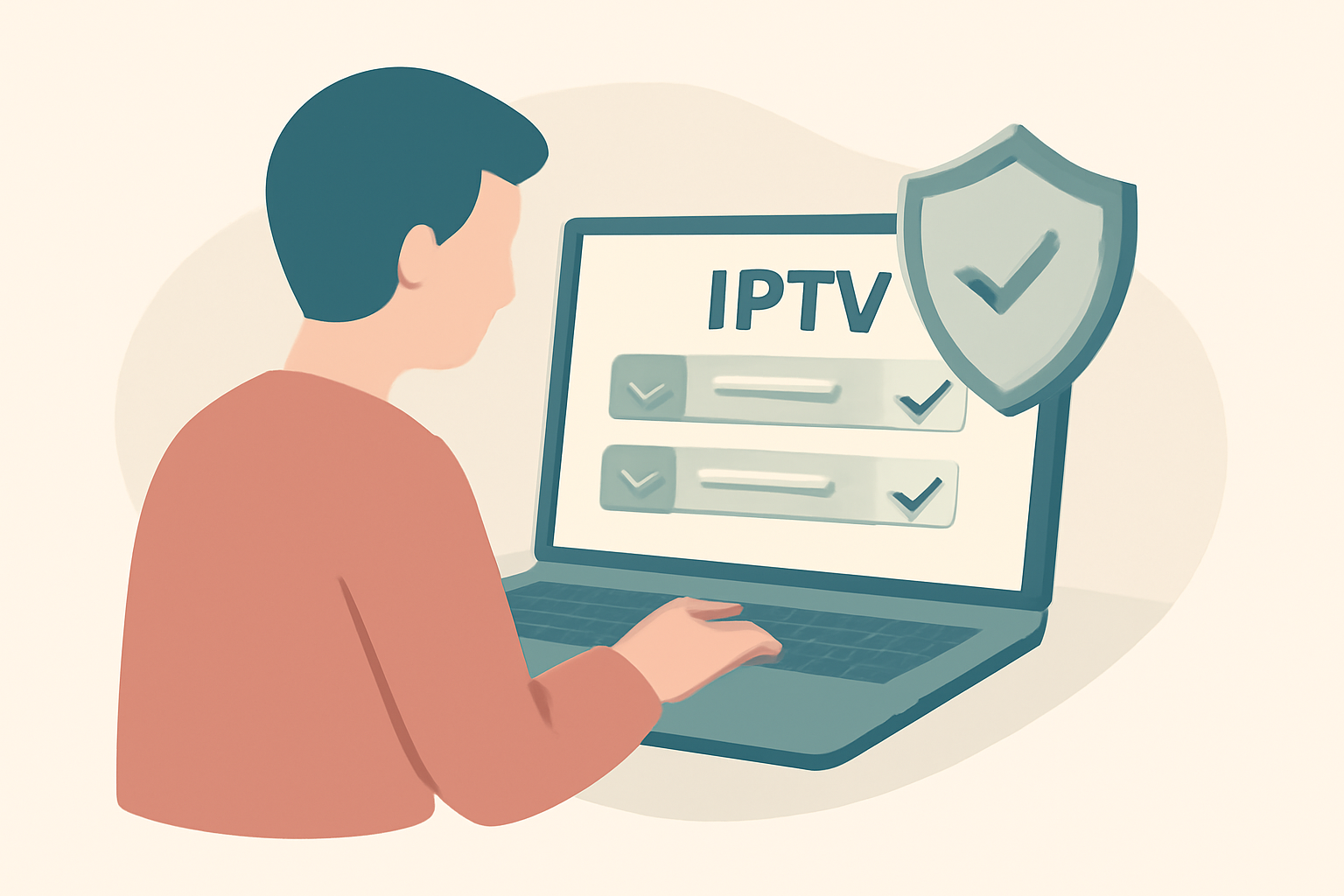
The warning signs you should know before signing up with an IPTV provider
If you are shopping for an IPTV provider, you want a service that is transparent, licensed, and accountable. The last thing you want is to end up on a platform that operates in a legal gray area or not at all. The warning signs are there if you know what to look for. Crypto-only payments, no verifiable legal entity, reseller panels, claims of an enormous channel lineup without credible sourcing, and support that only lives on messaging apps are all red flags. This guide will help you spot those signals and steer toward legitimate options.
First, consider payment methods. A legit IPTV service tends to offer standard payment channels such as credit cards, PayPal, or other widely accepted methods and willprovide receipts and clear terms. If a provider insists on crypto only or insists on anonymous payments, that is a strong indicator that there is little accountability behind the service. Crypto payments can be legitimate in some contexts, but when combined with vague licensing and no corporate identity, it raises concerns about the service’s legality and refund policies. It is worth asking for a formal invoice and a clear licensing statement before you commit.
Second, verify the company behind the service. A licensed IPTV provider will have a registered business address, contact information, and a legitimate corporate structure. If the site avoids naming a legal entity or relies on generic contact forms, that should set off alarm bells. It is reasonable to request official business documentation, such as a business registration number or a tax ID, and to verify those details before purchasing. For most buyers, a provider that cannot provide verifiable corporate information is not a safe bet.
Third, be wary of reseller panels that look too polished. Some services appear to be platforms that enable multiple sellers or resellers to push a large channel lineup without transparent sourcing. These setups can complicate support, licensing, and refund policies. If you encounter multiple levels of hierarchy with attempts to privatize the terms, take this as a caution. A legitimate service tends to offer a direct, straightforward customer experience and a clear statement on what is provided and how licensing works.
Fourth, the marketing pitch matters. Claims of thousands of channels, including premium sports or niche content, can be alluring. However, you should scrutinize how those channels are sourced. Look for information about official licensing, rights holders, and where the content is hosted. If those details are absent or the service uses vague language about “worldwide rights” or “special partnerships, ” you should investigate further or walk away. Real IPTV service providers publish licensing terms and sometimes offer public licensing bodies or press releases that support their claims.
Fifth, check the support channel. A modern, licensed IPTV service typically offers multiple ways to contact support, including email, live chat, or a ticketing system. If the provider relies exclusively on Telegram, WhatsApp, or other private chat apps for critical support, you should be cautious. While these platforms can supplement official channels, they should not be the sole means to get service. A licensed provider will maintain a professional support framework with documented response times and escalation paths.
To sum up, the core red flags are crypto-only payments, no verifiable legal entity, reseller-centered platforms, inflated channel counts with unclear sourcing, and support that is limited to messaging apps. If you encounter two or more of these signals, it is worth stepping back and exploring legitimate IPTV service options. For guidance on selecting a legal option, review our buyer’s checklist and explore the differences between legal and questionable services How to Choose a Legal IPTV Service and the practical considerations in What is IPTV and how it works with legal options. You can also compare IPTV to traditional cable to understand what you are gaining or losing with each choice IPTV vs Cable TV: Which Is Better in 2026?.
How to spot a legitimate IPTV provider before you sign up
A reliable IPTV provider will be able to point you to official licensing documentation, show a clear corporate identity, and offer transparent pricing. The following elements are common across legitimate services:
Licensing and terms you can read and verify
Legitimate providers publish licensing information or provide a path to verify rights with content owners. If the site mentions licensing in broad terms without a path to verify, that is a warning sign. It is reasonable to request copies of licensing agreements or a public record of rights holders. Also look for terms of service that define how content is delivered, what happens if content is unavailable, and how refunds are handled. For perspective on the legal landscape, compare the service with the information available about IPTV legality and safety Is IPTV Legal and Safe: What You Need to Know.
Corporate identity and official contact details
A credible provider will disclose a business name, registered address, and valid contact channels. If you cannot confirm these details, you should ask for a company registration number or tax ID. Cross-check details in business directories or public registries where feasible. This is part of a broader due diligence process that any buyer should perform when evaluating an IPTV service provider.
Transparent pricing and billing
Look for itemized pricing and clear terms, including any trial periods, commitments, renewals, and cancellation policies. Avoid providers that offer unusually low prices with vague inclusions. If a discount is tied to a long-term contract, make sure the terms are explicit and that there is a reasonable cancellation option. When in doubt, consult resources that explain the legal options and buyer considerations, such as How to Choose a Legal IPTV Service: A Buyer’s Checklist and What is IPTV and how it works with legal options.
Technical reliability and delivery format
A dependable IPTV service will provide reliable streaming with a clear description of video formats, streaming protocols, and supported devices. It should also offer a solid setup guide for common players and devices. If a provider cannot describe their delivery method or offers vague technical specs, treat that as a red flag. For context on device compatibility and setup, you can review guides such as the Tivimate setup guide Tivimate setup guide for beginners and details on device interoperability within our IPTV section IPTV (section).
Player compatibility and user experience
Good providers support mainstream players and apps with legitimate access. They may publish recommended setup steps and troubleshooting resources. If the provider relies on limited or unstable apps without documentation or official support, that is a warning sign. For an overview of how IPTV works with legal options and to compare with other streaming options, see IPTV vs Cable TV: What’s the Difference? and Is IPTV Legal and Safe: What You Need to Know.
Secure, verifiable payment and refund policy
Payment security is essential. A licensed IPTV provider will use reputable payment processors and provide clear refund policies. If a provider dodges or avoids standard payment channels, that is a sign to proceed with caution. If you want deeper guidance on assessing legality and safety, the article noted above offers practical considerations for buyers.
A practical comparison: what buyers should expect from an IPTV provider
To help you evaluate options quickly, here is a concise side by side look at common features and how legitimate services typically align. The table uses generic examples and does not reference any specific brand. For deeper understanding of how official IPTV services compare to traditional cable, read our pieces on IPTV versus cable differences and current market comparisons.
| Feature | Legit IPTV provider | Questionable service | Notes |
|---|---|---|---|
| Licensing information | Clear, verifiable | Vague or absent | Look for rights holders, public filings, or official statements |
| Payment methods | Standard channels | Crypto only or anonymous | Receipts and invoices expected |
| Corporate identity | Full company name, address, contact | No verifiable entity | Check business registries if in doubt |
| Support channels | Email, chat, ticket system | Telegram-only or messaging app | Reliable providers have documented support processes |
| Channel sourcing | Documented rights and playlists | Large, claimed lineup with no sourcing | Be skeptical of too-good-to-be-true claims |
| Refund policy | Clearly stated and honored | Unclear or restricted | Honest providers offer refunds within stated terms |
If you want practical guidance while you shop, consult methods for choosing a legal IPTV service and compare to traditional cable. Our guides include actionable steps to verify licensing and rights documentation, and they point to reputable sources for general IPTV understanding How to Choose a Legal IPTV Service and IPTV vs Cable TV: Which Is Better in 2026?.
Real-world tips to protect yourself when evaluating IPTV providers
-
Start with the basics: look for a real business presence and contact details. A credible company often publishes a corporate email address, a physical address, and a public support portal. If the only contact is a private chat bot or a Telegram handle, it may not be a compliant operation. You can compare this with how well-established streaming options present themselves and the kind of support offered on legitimate services Is IPTV Legal and Safe: What You Need to Know.
-
Inspect the content roster critically. A large channel lineup can be enticing, but you should check how those channels are sourced legally. If the provider makes bold claims about “premium sports” or “exclusive channels” without naming rights holders, that is a sign to pause and do more digging. Research into how IPTV program guides are organized and maintained can help you understand how legitimate services handle EPG data EPG Explained: How IPTV Program Guides Work (and How to Fix Them).
-
Review device and app compatibility. Legit services publish setup guides for common players and devices, and they provide troubleshooting articles. If you find a provider that avoids official setup resources or provides only third-party, unverified methods, that is a red flag. For practical device configuration help, see our iptv smarters pro setup guide and related device content in the Device Guides section.
-
Compare legal IPTV options side by side. If you want a practical framework for evaluating different providers, our buyer-focused resources walk you through licensing, pricing, and device compatibility. A balanced comparison row helps you avoid overpaying for features you cannot legally enjoy. See How to Choose a Legal IPTV Service: A Buyer’s Checklist for a detailed checklist.
-
Learn the broader landscape: what IPTV is, how it differs from cable, and what to expect in 2026. This helps you place any offer in the right context. For a broad overview, read IPTV vs Cable TV: What’s the Difference? and the general IPTV explanation page What is IPTV and how it works with legal options.
How to handle a provider that seems borderline but offers some legitimate features
If you are flirting with a provider that shows some questionable signs but promises reliable streaming, approach the situation with a risk-aware mindset. Request concrete documentation, ask for a sample of the service, and request a formal invoice with licensing details before you commit to a longer-term contract. If the provider cannot provide verifiable licensing information or resolves your requests with evasive language, discontinue discussions and search for alternatives that align with known, licensed services. A solid path is to compare to established content delivery and rights practices using our general guidance IPTV vs Cable TV: Which Is Better in 2026? and the legal-intent resources in Is IPTV Legal and Safe: What You Need to Know.
In practice, the best route is to start from trusted, clearly licensed providers and gradually expand to verify more about the content ecosystem. The goal is to find an IPTV provider that offers transparent licensing, solid customer support, and a straightforward billing structure. This approach reduces the risk of ending up with a service that fails to deliver or that may expose you to privacy or security concerns. If you want a quick framework for evaluating providers in one place, check our regularly updated guidance on how to choose a legal IPTV service and how it compares to traditional options How to Choose a Legal IPTV Service: A Buyer’s Checklist and IPTV vs Cable TV: Which Is Better in 2026?.
Bottom line
Avoid IPTV provider offers that rely on crypto payments, lack a verifiable legal entity, or depend on reseller panels and Telegram-only support. A legitimate service should be transparent about licensing, provide official contact details, publish a clear pricing policy, and support a range of reputable devices with documented setup guides. The safest path is to select a licensed IPTV service, compare it against traditional cable where appropriate, and use our buyer resources as a practical guide to filter out unlicensed sellers. For a broader understanding of how licensed IPTV services work and how to assess content rights, review the resources on choosing legal options and the IPTV versus cable comparisons. As you compare options, you can also explore in-depth discussions about program guides and how these experiences shape your streaming setup EPG Explained: How IPTV Program Guides Work (and How to Fix Them) and How to Choose a Legal IPTV Service: A Buyer’s Checklist.
Bottom line for the reader is simple: pick an IPTV provider that demonstrates licensing clarity, corporate legitimacy, and solid customer support, and use the buyer’s checklist to verify before subscribing. For setup and device guidance, use the hands-on resources in our IPTV and device sections as you compare options. When you are ready to learn more about what makes a service legitimate, review our content on the legal landscape and practical buying tips, then subscribe only to a service that meets those criteria. This approach will help you protect your privacy and ensure a stable streaming experience. If you want to dig deeper into the content ecosystem, see our comparison pieces on IPTV versus cable in 2026 and related setup guides.
Frequently Asked Questions
What is the first sign of a shady IPTV provider?
Suspicious payment methods and vague licensing terms are strong early indicators.
Can you legally use IPTV services?
Yes, but you should choose licensed providers that offer official content and transparent terms.
What should I check before subscribing?
Licensing information, official entity details, refund policies, and customer support options.
This is an independent editorial site. We do not host, sell, or distribute any streams or subscriptions. Always verify that a service is properly licensed in your country. Some links may earn us a commission at no cost to you.