Video on Demand IPTV: How on Demand Libraries Work
Video on demand iptv: how on demand libraries work
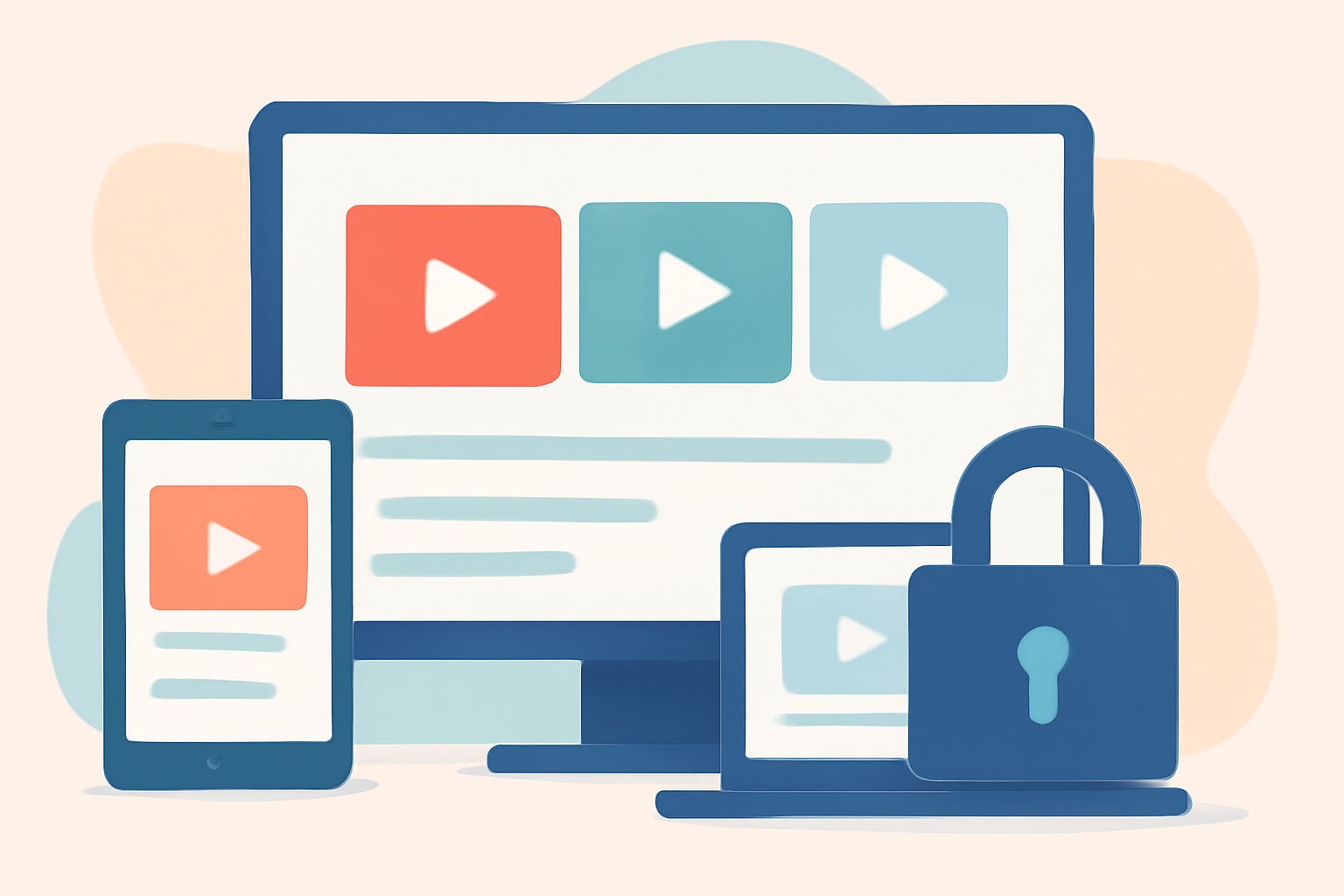
IPTV platforms use video on demand libraries to deliver content when viewers choose it rather than following a fixed broadcast schedule. The term video on demand iptv covers a spectrum from live channels with on demand archives to dedicated on demand catalogs bundled with a service. In practice, you will encounter three main setups: IPTV with a built in VOD catalog, true streaming services that revolve around on demand content, and catch up TV libraries that keep recent broadcasts available for a limited time. Understanding how each model handles licensing, catalog size, and playback will help you choose a service that fits your needs while staying within the law.
What distinguishes IPTV VOD from true streaming services
- IPTV VOD within a bundle: Some IPTV services position their on demand content as part of a larger channel package. The user selects from a catalog that is hosted by the IPTV provider and may include licensed movies, dramas, and sports highlights. Navigation often mimics a channel guide but with on demand buttons that open titles rather than live streams. This model relies on a mix of licensed content and potentially user generated or unlicensed sources. For a reliable experience, check our Best IPTV Service: Buyer Checklist Guide and review how a provider handles licensing and content sourcing.
- Standalone streaming services: Services such as major subscription video on demand services focus entirely on on demand libraries. They typically operate under explicit licensing agreements with studios and distributors. The catalog is curated to meet regional rights and may feature new releases, classic titles, and exclusive originals. When evaluating the value of a VOD catalog, consider the licensing terms, regional availability, and the stability of your access.
- Catch up TV as part of IPTV: Some IPTV platforms offer catch up TV functionality. This means you can watch recent broadcasts from specific channels after the live air time. The window for catch up varies by service, but it is common to see 7 to 30 days of availability for a given program. Catch up is convenient for viewers who miss the live broadcast but still want to access the content within a limited time frame.
How on demand libraries are built and updated
Content sourcing and licensing
A VOD library in an IPTV environment can be a mix of licensed titles and other sources. Licensed content is obtained through agreements with studios, distributors, or rights holders. Some older IPTV setups relied on scraped or unlicensed content, which can expose users to legal risk and poor reliability. For a safe approach, prefer services that openly outline their licensing approach and provide official channels for support. A good starting point for evaluating licensing is to look at official statements from the provider and third party reviews like our Digitaline IPTV Review: What the Pricing Actually Tells You.
Catalog management and refresh cycles
VOD catalogs are dynamic. Providers refresh titles weekly or monthly, rotate lesser known titles, and add new licensing deals as they come up. This means a viewer’s library can change without notice, especially on lower priced or smaller services. Compare this against a major streaming service known for steady, predictable additions. For practical guidance on what to expect and how to compare catalogs, see our guide on choosing a legal IPTV service and the buyer checklist linked above.
Regional rights and availability
Content licensing is highly regional. A movie or show available in one country may be restricted or unavailable in another. When choosing a VOD IPTV service, consider how regional restrictions influence your access. Some services clearly indicate where titles are available and offer multiple regional libraries via a single account. For deeper understanding of regional availability and licensing, you can consult Wikipedia pages on digital rights or look at official standards for content distribution through streaming.
Technical delivery and user experience
The user experience for VOD in IPTV depends on the app or middleware powering the platform. Some providers rely on popular IPTV apps that integrate with a custom backend, while others build a proprietary player. The experience includes search, genre filtering, play history, and recommendations. If you’re curious about the practical differences between popular IPTV apps, check our Best IPTV Player Review: Comparing TiviMate Smarters and XCIPTV.
Catch up TV versus library depth
Catch up TV is typically a time bounded feature that makes recent broadcasts available for a set window after airing. It is not always the same as a full on demand library, which can include a wider array of titles not tied to a specific channel schedule. For viewers who mainly want to watch current affairs, sports replays, or last night’s comedies, catch up provides a practical bridge between live viewing and on demand. For a more solid solution, some customers opt to use a standalone VOD service alongside IPTV to avoid licensing issues and ensure access to widely licensed catalogs.
Licensing realities and why VOD libraries are often unlicensed
There is a persistent tension between the convenience of VOD in IPTV and the legal realities of licensing. Some IPTV services use licensed channels and legitimate on demand titles, while others rely on less transparent sources. In practice you will see several patterns:
- Transparent licensing with clear disclosures: A reputable IPTV service will publish licensing terms, provide contact information for rights holders, and offer titles with defined regional availability.
- Mixed sourcing: A platform may carry licensed titles for popular shows and rely on older or less reputable sources for other content. This increases risk for users and can lead to reliability issues such as missing metadata or playback problems.
- Unlicensed or questionable content: Some vendors try to minimize licensing costs by offering unlicensed or pirated content. These services often face takedowns, degraded quality, and legal risk for users. A prudent approach is to avoid services that do not clearly demonstrate licensing compliance and to consult resources like our guide on Free IPTV and legal considerations.
To stay informed, read our in depth articles on how to choose a legal IPTV service and the do nots of free IPTV. You will find practical tips for evaluating licensing and service legitimacy.
How to evaluate an IPTV VOD library
- Catalog size and depth: A larger library is not always better if licensing is inconsistent. Look at the variety of genres, the presence of new releases, and the balance between live channel integration and on demand titles.
- Licensing transparency: Look for explicit licensing statements, rights holders, and regional availability. If a service hesitates to discuss licensing, that is a red flag.
- Content quality and metadata: Titles should come with accurate posters, synopses, and proper episode information. Poor metadata often accompanies unlicensed catalogs and reduces the viewing experience.
- Technical stability: Playback should be smooth with consistent streaming quality and proper error handling. If buffering or frequent outages occur, review the service’s IPTV app support or look for a provider that offers a solid support channel.
- Customer support and accountability: A reputable vendor provides a clear support path and public policies for refunds or service changes.
For practical comparisons, you can review the app ecosystems on our IPTV App Roundup and consider how a particular app choice affects VOD navigation and reliability.
A closer look at the user experience
An IPTV VOD experience typically blends with live TV and catch up features. Here is how it might feel from a user perspective:
- Home screen: The interface highlights a mix of live channels and on demand titles. Users may see recommended titles based on viewing history.
- Search and discovery: Search capabilities may be powered by title, actor, or genre. Helpful filters improve the chance of finding something you want to watch.
- Playback: Players support standard controls like pause, rewind, fast forward, and subtitle toggling. Some apps offer picture in picture or multiple audio tracks.
- Personalization: Some services allow user profiles, watch lists, and last watched positions. This can help you resume content across devices.
If you want to optimize your setup, consider pairing a reliable IPTV player with a well curated VOD catalog and a stable network connection. Our guide on IPTV buffering can help troubleshoot playback issues that disrupt VOD.
Real world examples and practical tips
- When you evaluate an IPTV VOD library, inspect how the service handles licensing and regional rights. A well managed library will have clear statements about content sourcing and rights holders. You can compare providers against general criteria in our buyer checklist guide.
- If you want to understand how VOD fits into a larger streaming strategy, compare a platform that blends live channels with VOD to a standalone streaming service that focuses on on demand. This helps you decide whether to rely on one ecosystem or use a combination of services.
- For those who value privacy and control, consider how your network exposure changes when using IPTV VOD. A VPN can help protect privacy on public networks, but be mindful of the licensing and terms of service of any provider you use. Our VPN and privacy section offers more on this topic.
To further broaden your understanding, see how to choose a legal IPTV service and the related buyer checklist. You can also explore our EPG explained guide to learn how program guides interact with on demand content and how to fix common issues.
Spec and feature comparison
| Feature | IPTV VOD library within service | Standalone streaming VOD | Catch up TV within IPTV | Notes |
|---|---|---|---|---|
| Licensing transparency | Varies by provider | Generally clear through official rights holders | Often limited to specific channels | Look for licensing statements on the provider site |
| Catalog depth | Varies; can be broad or curated | Large, may include new releases | Narrow or time limited | Compare catalog diversity and update frequency |
| Regional availability | Region dependent | Region dependent | Region dependent | Check regional rights for your location |
| Playback experience | Integrated with live guide or on demand tab | Dedicated on demand experience | Tied to specific channels and schedules | Ensure the app supports reliable playback |
| Metadata quality | May be uneven with unlicensed sources | High quality in licensed catalogs | Varies | Good metadata improves search and discovery |
Why VOD libraries matter to viewers
For many viewers, video on demand iptv is a practical way to catch up on missed programs, watch movies on a flexible schedule, or revisit sports moments after the fact. The value proposition hinges on licensing reliability, catalog depth, and a user experience that feels coherent across devices. When a service clearly communicates licensing and supports high quality playback, it becomes a more trustworthy option for long term use.
If you want to deepen your understanding of the broader landscape, check our reviews and guides. For instance, our Best IPTV Player Review: Comparing TiviMate Smarters and XCIPTV helps you assess how an app choice can influence VOD navigation. You can also read How to Choose a Legal IPTV Service to align your expectations with licensing realities.
Practical setup tips for legal VOD in IPTV
- Start with a legally licensed service: Choose a provider that clearly spells out licensing terms and has a track record of reliability. This reduces the risk of broken catalogs and takedowns.
- Use official apps from reputable sources: Install apps from official stores and use widely supported devices. This improves stability and security.
- Keep software up to date: Regular updates often include improved licensing workflows and better metadata handling.
- Maintain network consistency: A stable Wi Fi connection minimizes buffering during VOD playback. If you experience buffering, consult our guide on IPTV buffering and how to fix it.
- Protect privacy while streaming: A trusted privacy approach is important when accessing online video content. Our VPN and privacy section covers best practices and common pitfalls.
For more on device compatibility and app options, see our IPTV App Roundup and device guides. If you want to know how to balance legal content with your streaming needs, consider our analysis of the cheapest and most reliable paths to watching live and on demand television.
The closing perspective
Video on demand iptv represents a practical blend of live channels and on demand content, framed by licensing realities and regional rights. Viewers should aim for transparent licensing, a broad yet well maintained catalog, and a smooth playback experience. This ensures you can enjoy catch up TV and on demand titles without unexpected gaps or legal concerns. The right combination of catalog quality, licensing clarity, and user experience makes VOD within IPTV a solid option for flexible viewing.
Bottom line
VOD in IPTV can be a strong part of a home viewing setup when the service is licensed and well managed. Always verify licensing, prefer official app ecosystems, and compare catalogs to ensure you get reliable access to on demand titles. If you are shopping for a legal option, start with our buyer checklist and related reviews to find solid, transparent choices for video on demand iptv.
Frequently Asked Questions
What is video on demand in IPTV?
Video on demand in IPTV refers to on demand content provided through an IPTV platform, where users select programs from a library rather than pre scheduled live streams.
Are IPTV VOD libraries licensed?
In many cases IPTV VOD libraries are licensed. Some services operate with limited licenses or use unlicensed content, which can raise legal and reliability concerns.
How does catch up TV relate to VOD?
Catch up TV lets viewers watch recently aired programs on demand for a limited window, serving as a subset of VOD within IPTV platforms or standalone services.
This is an independent editorial site. We do not host, sell, or distribute any streams or subscriptions. Always verify that a service is properly licensed in your country. Some links may earn us a commission at no cost to you.