IPTV Subscription Explained: What You Are Paying For
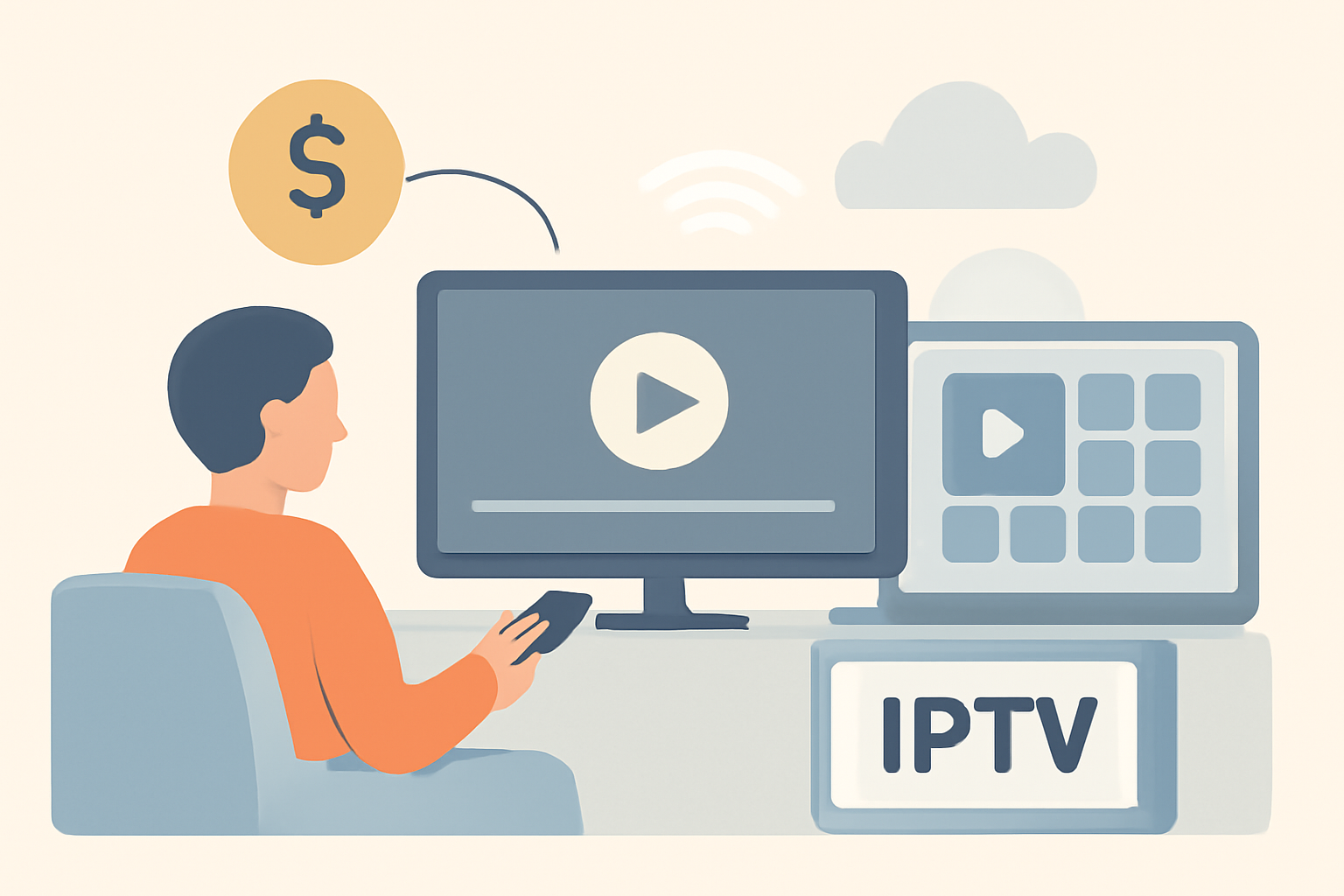
An iptv subscription is not a simple product like a single streaming app or a one time download. It is a service that delivers live TV channels, on demand content and sometimes additional features over an internet connection. A legitimate iptv subscription usually includes access to a curated list of channels that the provider has rights to distribute in your region, a stable electronic program guide (EPG), and a compatible streaming app or portal. When you sign up, you are not just paying for a feed of channels; you are paying for a bundle of rights, infrastructure, and ongoing support.
Two common elements are worth calling out early. First, the license terms. Licensed iptv services have distribution rights for the channels they offer. This means the provider negotiates with network owners for the right to carry their content to your screens. Second, the access mechanism. A lawful iptv subscription typically uses official apps or a web player that fetches streams from licensed sources, often with server-side authentication to control access and protect the content.
To decide if a service is a good fit, you should review the channel lineup, the availability of regional streams, and the quality of the user experience. Some providers emphasize sports bundles, others lean on international channels. In many cases you also get access to a media guide that helps you find programs by start time, channel, or topic.
A note on the user experience. A solid iptv subscription should offer a consistent streaming experience across devices. If a service supports multiple apps, it should provide the same channel lineup and EPG across devices like smartphones, tablets, smart TVs, and streaming devices. If you find a service that bills itself as iptv but only offers a web portal with a few channels and no dedicated apps, approach with caution. This is often a sign that the service may be experimental or less reliable.
For readers who want practical buying guidance, check our Best IPTV Service: Buyer Checklist Guide to see how a subscription stacks up against your needs, including channel availability, device compatibility and price.
Licensed versus unlicensed models
Licensed iptv subscriptions
Licensed iptv subscriptions come with formal distribution rights and consumer protections. A licensed provider will typically publish clear channel lists, regional availability, and terms of service. You can expect technical support and a documented process for refunds or billing disputes. Licensing also aligns with standards for content protection and may involve compliance with local broadcasting rules.
A licensed service will often be explicit about the channels included and the geographic area where those channels can be viewed. As you compare options, look for a provider that lists the networks in their catalog and provides verifiable contact details. For readers who want to understand the landscape, our guide on how to choose a legal IPTV service can help you separate legitimate options from questionable ones.
Unlicensed or no-license iptv models
Unlicensed or gray market iptv models may advertise large channel rosters or very low prices, but they carry risk. They might rely on sources without rights or use servers that could be shut down at any time. There is also a higher likelihood of service interruptions, inconsistent EPG data, and potential legal concerns.
The key red flags include offers that require crypto only payments, vague company details, and a lack of transparent channel lists or regional restrictions. Crypto-only payment requests can be a sign of unlicensed activity or a service trying to avoid traceable billing. We strongly recommend avoiding unlicensed sellers and encourage readers to use licensed providers with clear billing and support.
For more on legality and consumer protection in this area, see our piece on Free IPTV: What Is Legal and What Is Not and our guidance on selecting a legal service How to Choose a Legal IPTV Service: A Buyer’s Checklist.
Typical pricing and what it covers
Pricing for an iptv subscription varies by region, channel density, and the level of service. A basic package may focus on core channels and standard definition streams, while premium bundles can include more channels, sports packages, and higher resolutions like 4K where supported. Pricing is also influenced by access controls such as the number of concurrent streams and the kinds of devices supported. It is essential to understand what you are paying for and what you are not paying for.
The best practice is to compare plans side by side. A concise comparison helps you see differences in channel lists, EPG features, and device limits. The table below illustrates a typical structure you might encounter when evaluating two common tiers of a licensed iptv subscription. The example uses neutral, representative categories rather than real prices to avoid implying specific offers.
| Plan feature | Basic package | Premium package |
|---|---|---|
| Channels included | Core live channels, some regional feeds | Expanded live channels, sports add-ons, international packs |
| On demand content | Limited selection | Broad library with recent titles |
| EPG availability | Standard guide | Enhanced guide with search and filters |
| Concurrent streams | 2 | 4 or more |
| Simultaneous devices | Mobile and one TV app | Mobile, TV, and web apps |
| Quality options | 720p or 1080p | 1080p and where supported 4K |
| Price range guidance | Lower price tier | Higher price tier |
Evaluating the value of an iptv subscription means looking at more than the sticker price. A licensed service should deliver a stable stream and predictable access across your devices. If you need a deeper dive into the purchase criteria, our Best IPTV Service: Buyer Checklist Guide is a helpful resource.
Payment methods and red flags to avoid
Be cautious about payment terms. Reputable IPTV providers typically offer several common payment methods such as major credit cards or widely accepted digital wallets. They should also provide transparent receipts, clear billing intervals, and a straightforward cancellation process. If a seller asks for crypto only or insists on bank transfers with little account history, this is a major red flag. Crypto-only payments create tracking and refund challenges if a service disappears or suspends access. Do not proceed without verified business details and a legitimate, traceable payment path.
A practical step for consumers is to verify the company behind the service. Look for a physical business address, customer support contact options, and openly posted terms of service. If you cannot confirm these basics, you should avoid subscribing. For broader context on consumer risk and legality, you can consult our article on IPTV Canada: Legal Services and What to Avoid which highlights jurisdictional considerations.
How to assess risk before you subscribe
- Confirm licensing and rights. A legitimate provider discloses networks and the regions where content is viewable. Look for a public catalog of channels and a credible licensing statement. Our guide to selecting legal services emphasises checking these details up front: How to Choose a Legal IPTV Service: A Buyer’s Checklist.
- Review the refund and billing policy. A clear policy on refunds, cancellations, and proration is a sign of a consumer-friendly service.
- Check device support. If you own multiple devices, verify compatibility with your preferred platform and ensure a consistent experience across devices.
- Scan for transparency. A licensed provider publishes contact details, an official website domain, and a clear privacy policy. If these basics are missing, it is a signal to walk away.
- Beware of lock-in terms. Some providers pressure longer-term commitments with poor refund terms. Favor services with month-to-month or flexible terms where possible.
If you want an explicit comparison that includes guidance on device compatibility and app options, see our IPTV App Roundup: Best IPTV Apps for Android, Firestick and Smart TV.
Understanding access and compatibility
A key part of evaluating an iptv subscription is how you access the content. Most licensed services offer apps for popular devices such as Android and iOS, plus smart TVs and streaming devices. If you prefer a particular app interface, you can compare how different apps behave with real device tests. For example, you can learn more about user experience and app choices by reading our comparative review Best IPTV Player Review: Comparing TiviMate Smarters and XCIPTV. This kind of article helps you understand how the same service looks through different players.
In addition, understanding EPG or program guides helps you navigate channels effectively. A good EPG provides accurate start times and program descriptions, which makes a big difference when you are trying to catch a live event. If you want to dive deeper into how stream guides work and how to fix issues, check EPG Explained: How IPTV Program Guides Work (and How to Fix Them).
Common red flags and how to spot them quickly
- Crypto or crypto-only payments with no company details. Legitimate providers list contact information and offer standard payment methods.
- Vague channel lists or no regional restrictions. If it is not clear what is included in your region, beware.
- Sudden price changes or pressure to buy immediately. A transparent provider explains pricing clearly and offers a reasonable cancellation window.
- No trial or money-back guarantee. While not required, many respected services offer some form of buyer protection.
If you want a broader frame on the legality of different streaming options, our article Free IPTV: What Is Legal and What Is Not provides useful context.
What to expect in the buying process
- Step 1: Confirm the catalog and regional availability. Make sure the channels you care about are accessible from your location.
- Step 2: Check device compatibility. Confirm the service works with your preferred devices and apps.
- Step 3: Review the terms. Pay attention to cancellation terms, billing cycles, and refund policies.
- Step 4: Create an account and test. If a provider offers a trial, use it to verify streaming quality and EPG accuracy.
- Step 5: Keep records. Save receipts and any correspondence about service changes.
To help with the decision, you can also read through our general buyer guidance: Best IPTV Service: Buyer Checklist Guide and How to Choose a Legal IPTV Service: A Buyer’s Checklist.
The consumer protection angle
Regulators in some regions treat IPTV services the same as other media distributors. The key is that the provider has rights to the content and follows fair billing practices. Consumers benefit when providers publish clear channel lists, regional availability, a public privacy policy, and straightforward dispute handling. If you encounter a provider with opaque licensing or poor billing transparency, a cautious approach is warranted.
For a broader look at legal options, you can consult resources about legitimate streaming, including Free Legal Streaming: What You Can Watch Without Paying and DirecTV Stream Review: Price, Channels, Verdict. These pieces illuminate how licensed services present terms and value differently from less transparent offers.
Practical tips to stay safe while exploring iptv subscription options
- Start with reputable, licensed providers. This reduces risk of service termination and legal trouble.
- Use official apps and platforms. If a provider directs you to an unfamiliar app store or a nonstandard app, exercise caution.
- Look for clear customer support channels. A real business will offer email, phone, or chat support.
- Read the terms of service and privacy policy. Check how your data is collected and used.
- Consider trial periods or month-to-month plans. This allows you to evaluate the service before committing long term.
If you want more buying guidance that also covers app and device comparisons, see our article IPTV App Roundup: Best IPTV Apps for Android, Firestick and Smart TV.
Realistic expectations and limitations
Even licensed iptv subscriptions can experience buffering or occasional outages. Causes include internet congestion, server maintenance, or local network issues. For readers who want to reduce buffering, we discuss common causes and fixes in our guide IPTV Buffering: Why It Happens and How to Fix It. A stable home network, appropriate router settings, and sufficient bandwidth are important to minimize interruptions.
If you want to explore streaming quality implications and 4K potential, our explainer on 4K streaming provides context about when it makes a difference: 4K Streaming Explained: What You Need and When It’s Worth It.
Bottom line
An iptv subscription represents more than a price tag. It is an ongoing service that bundles channel rights, delivery infrastructure, and user support. Licensing status matters because it affects channel availability, reliability, and consumer protections. Before subscribing, verify licensing, check device compatibility, review terms, and beware of red flags such as crypto only payments or missing company details. By sticking to licensed services and using the Buyer Checklist guides, you can enjoy the benefits of live TV streaming while reducing the risk of disruption or interruption.
Bottom line: choose a licensed iptv subscription with transparent licensing, clear pricing, and solid support. This approach gives you reliable access to the channels you want on the devices you use, without running afoul of licensing or payment risks.
Bottom line resources you can consult include our guides on selecting legal IPTV services and understanding how playlists and EPG work, which help you evaluate offerings before you buy.
Bottom line: a careful, informed approach helps you get the most value from a legitimate iptv subscription while staying within legal and practical boundaries.
Frequently Asked Questions
What is included in an iptv subscription?
A typical iptv subscription grants access to streaming channels, on demand content, and an electronic program guide. It may also include support for compatible apps, device licensing, and access to multiple connections.
Are all iptv subscriptions licensed?
No. Some services offer licensed streams with official rights. Others operate with unlicensed or unauthorized sources which can lead to interruptions or legal concerns.
What should I watch for before paying for iptv?
Check licensing status, payment methods, device support, and the provider's transparency about channels and regional availability. Look for a clear refund policy and contact details.
This is an independent editorial site. We do not host, sell, or distribute any streams or subscriptions. Always verify that a service is properly licensed in your country. Some links may earn us a commission at no cost to you.