Xtream Codes Explained: How IPTV Panels Work
II. Xtream Codes explained: how IPTV panels work
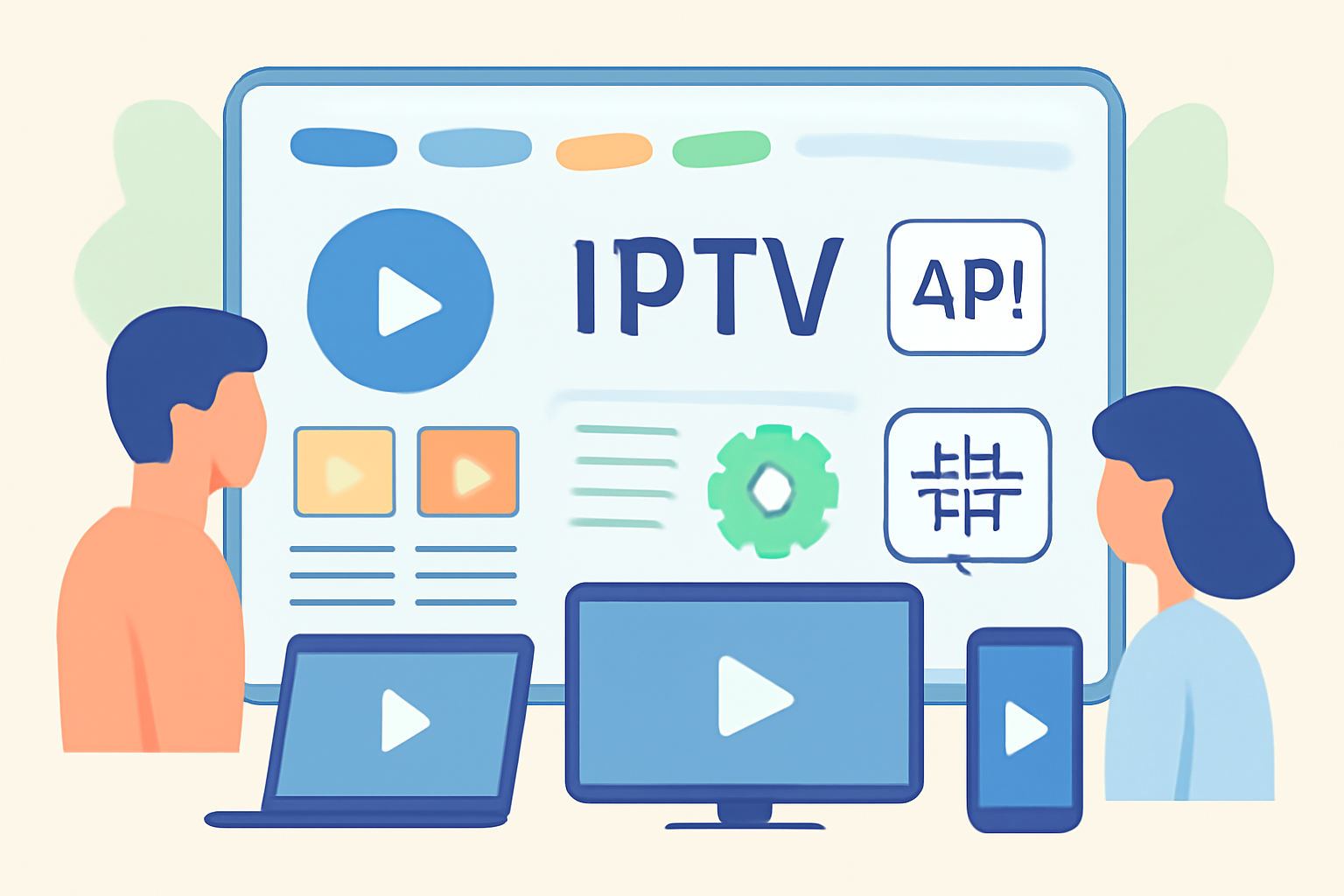
IPTV has matured beyond simple channel lists. Behind every live TV experience is a panel that hosts the catalog, user management, channel groups, EPG data, and the streams themselves. Xtream Codes started as a popular API and panel solution that allowed multiple resellers to manage their own subscribers from a single backend. In its original form, Xtream Codes provided a set of REST and XML API calls that enabled tasks such as user authentication, playlist generation, channel and catalog updates, and EPG provisioning. A panel user could set up packages, define price points, and assign streams to customers. For legitimate operators, the system meant a centralized way to administer services at scale. For consumers, it meant a familiar experience across different players and devices because the API offered a consistent backend interface.
In practice a typical Xtream Codes style setup looks like this:
- A licensed IPTV provider or reseller runs a panel that talks to a streaming source and a middleware layer. The panel stores user accounts, parental controls, and subscription details.
- A user opens a player on a device such as a smart TV, mobile device, or streaming box. The player asks for host, username, and password or uses a tokenized login. The host points to the panel, the username identifies the customer, and the password authenticates access.
- The panel returns a dynamic playlist and an Electronic Program Guide (EPG) that the player renders locally. The player then fetches the actual streams from the content delivery network or origin servers.
- Access control is enforced by the panel by validating the user account and applying any limits such as device count, bandwidth caps, or per-package channel access.
This architecture is not unique to Xtream Codes, but the name became shorthand for a class of panel solutions that share a common model. When you hear about Xtream Codes nowadays, it is often in the context of legacy or deprecated iterations of the API after a major shutdown. The original shutdown story is important because it demonstrates why operators must rely on licensed services and transparent hosting arrangements rather than any unofficial or cracked variants.
IIA. How panels and resellers fit together
- The panel acts as the central control plane. It handles user accounts, package definitions, price points, and access rules.
- Resellers use the panel to provision sub-accounts and to generate user credentials or access tokens. They can brand and market the service to end users.
- The streaming layer delivers channels and on demand content. It may be sourced from licensed distributors or content owners and is integrated with the panel to enforce rights and quotas.
- The client side is a player app. It consumes the host URL, user credentials, and a generated playlist or an access token to assemble the grid of channels and VOD items.
II B. Why players ask for host, username, and password
- Host identifies the panel endpoint so the player can pull a user-specific playlist.
- Username ties the request to a specific customer account for authentication and tracking.
- Password confirms the user is authorized to access the catalog and to enforce any entitlement restrictions.
This three part login model is a practical approach for customers who want a consistent interface across devices and players. It also gives operators a way to support multi device usage, integration with EPG providers, and per package entitlements. If you see a setup that asks for only a URL or token, that is typically an alternative integration pattern that some providers use. It does not change the underlying need for a secure, authenticated session.
III. The legal history of the original Xtream Codes shutdown
In late 2019 and into 2020, the original Xtream Codes suite faced serious legal actions. Authorities in several jurisdictions targeted operators who used the platform to distribute unlicensed streams. The core issue was not the technology alone but the legality of distributing protected content without proper licensing. As a result, several law enforcement actions led to arrests, site seizures, and the forced shutdown of many Xtream Codes based services. The case underscored a broader principle in the IPTV ecosystem: the existence of a powerful backend does not exempt operators from content rights and licensing obligations. Consumers should focus on legitimate services that operate with formal licenses and clear terms of service.
For readers who want to understand broader context, you can review articles explaining IPTV program guides and how legal services differentiate themselves from unlicensed operations EPG Explained: How IPTV Program Guides Work (and How to Fix Them) and guidance on choosing a legal IPTV service How to choose a legal IPTV service. It is useful to consider how standards bodies and official product sites frame these topics. For instance, the value of standardized content protection and distribution channels is documented in sources such as Wi-Fi Alliance and related industry references.
IX. The technical anatomy of an Xtream-like panel
An Xtream Codes style panel is really a composition of several layers:
- Authentication and user management
- Channel and EPG management
- Playlist generation
- Content delivery integration and access control
- Reporting and analytics for resellers
In a well designed, licensed system, the panel will enforce security best practices such as strong password policies, encrypted transport (HTTPS), and secure API tokens. The credentials that end users enter should be validated against a central store that is protected with appropriate IAM controls. It is also important to ensure that any service you use or evaluate has clear terms of service and is transparent about content rights. This is not just about legality but about reliability and long term access to streams.
X. Security and best practices for legit IPTV usage
- Always use legitimate, licensed services. This protects you and helps ensure streams come from rights holders.
- Evaluate provider transparency. A legitimate operator will publish terms, licensing information, and privacy practices.
- Use strong, unique passwords for all IPTV accounts and consider enabling two factor authentication if available.
- Avoid devices or players that promise free access to large catalogs from unknown sources. Unlicensed sources are frequently removed or shut down and can pose privacy risks.
- When setting up a home system, consider a dedicated network for streaming and a reputable VPN to protect privacy, as appropriate and legal in your jurisdiction. See our VPN and Privacy section for more guidance VPN & Privacy (section).
XI. Practical differences you may notice with Xtream style panels
- Credential based access versus token based access. Some modern forks and implementations may replace password based login with session tokens for improved security.
- Panel branding. Licensed providers often tailor the user interface but retain a consistent API shape that makes a given player experience familiar across devices.
- EPG provisioning. Access to a reliable and correctly licensed EPG is crucial for navigation and program planning.
XII. A quick comparison: licensed IPTV players and panels
| Item | Licensed IPTV panel and player setup | Unlicensed or cracked Xtream Codes setups |
|---|---|---|
| Source of content | Rights holder agreements and licensed distributors | Content may be distributed without rights, risk of takedowns |
| Legal status | Clear licensing and terms of service | Often illegal or dubious, penalties possible |
| Security | Strong authentication and HTTPS, safe API usage | Weak or no security, credential sharing risk |
| Reliability | Consistent updates and support | Inconsistent access, frequent shutdowns |
| User experience | Standardized UI across devices | Varies by provider, may be broken or unstable |
XIII. Internal and external links you can use to learn more
- For a broader take on selecting services and staying on the right side of the law, see How to choose a legal IPTV service.
- If you want to compare how IPTV players work with Xtream style panels, check our Best IPTV Player Review: Comparing TiviMate Smarters and XCIPTV.
- For more on program guides and how to fix common issues with EPG, read EPG Explained: How IPTV Program Guides Work (and How to Fix Them).
- If you are curious about secure access and policy frameworks, consult reputable sources such as Wi-Fi Alliance and other standards bodies.
XIV. What to consider if you are evaluating Xtream Codes style panels today
- Look for licensing agreements with content owners. A credible supplier should be able to show documentation or a statement of rights for the content you access.
- Check the provider’s privacy policy. Data handling practices should be clear and compliant with applicable laws.
- Review how the panel handles user accounts across devices. A solid system will allow you to monitor usage and apply sensible limits to protect both the provider and the customer.
- Consider the ecosystem around the service. Do they offer a legitimate range of features such as EPG, catch up, cloud DVR, or multi screen support? Compare with licensed offerings and read expert opinions.
XV. The evolving landscape of IPTV panels
The Xtream Codes story shows how fast the space can change. Even when a backend architecture remains viable in theory, the legal framework and licensing environment determine whether a service survives and how it must operate. Operators who want to deliver a stable, compliant experience focus on licensing, transparent terms, and secure operation. Consumers who want to watch reliably should favor licensed services and use reputable players that integrate with those services. The industry continues to evolve with improvements in content protection, user privacy, and device compatibility.
XVI. Common questions about Xtream Codes
- Is Xtream Codes still active? The original project and many of its clones faced legal actions and shutdowns. Reputable providers now emphasize licensed content and verified distribution channels.
- What is the difference between an Xtream Codes panel and a modern equivalent? Fundamentally they share a client server model, but modern, licensed panels emphasize licensing, privacy, and security features. The exact API shape can vary between vendors.
- Can I legally distribute IPTV content using this technology? Only if you have explicit rights to the content and operate under a licensed provider framework.
XVII. How to get started responsibly
If you are exploring IPTV as a technical topic or as a service provider, start with legitimate sources and documented best practices. Use official product sites and respected guides to understand how panels function and how to ensure you stay compliant. You can deepen your understanding by reading about program guides, streaming device considerations, and privacy implications in the sections linked here. For device and setup guidance, see our device guides and IPTV sections, including practical setup advice and feature comparisons IPTV Smarters Pro Review: Features, Setup and Limits and iptv smarters pro setup guide.
Bottom line
Xtream Codes represents a pivotal moment in IPTV backend design. The idea of a centralized panel that manages users, channels, and EPG remains common, but the legal context matters as much as the technology. Consumers should prioritize licensed services and responsible usage, while operators should build with licensing, privacy, and security at the core. Understanding the three part login model, host, username, password, helps clarify how players connect to a panel and why credentials are required. As the IPTV landscape grows more sophisticated, the emphasis on lawful distribution and transparent practices will define long term reliability for both providers and viewers. If you are exploring this topic further, consider reading about legal IPTV options and best practices for selecting services that respect content rights.
Frequently Asked Questions
What is Xtream Codes used for?
Xtream Codes provided a backend API for IPTV panels enabling users to manage streams, channels, EPG data, and access controls.
Are Xtream Codes services legal?
Only licensed providers should use Xtream Codes derived systems. Unlicensed usage has led to shutdowns and legal actions.
Why do players ask for host, username, and password?
These credentials connect a player to an IPTV panel so it can fetch channel lists, guides, and stream URLs.
This is an independent editorial site. We do not host, sell, or distribute any streams or subscriptions. Always verify that a service is properly licensed in your country. Some links may earn us a commission at no cost to you.