Sports Blackout Rules and How They Work for Fans
Why sports blackout rules exist and what they cover
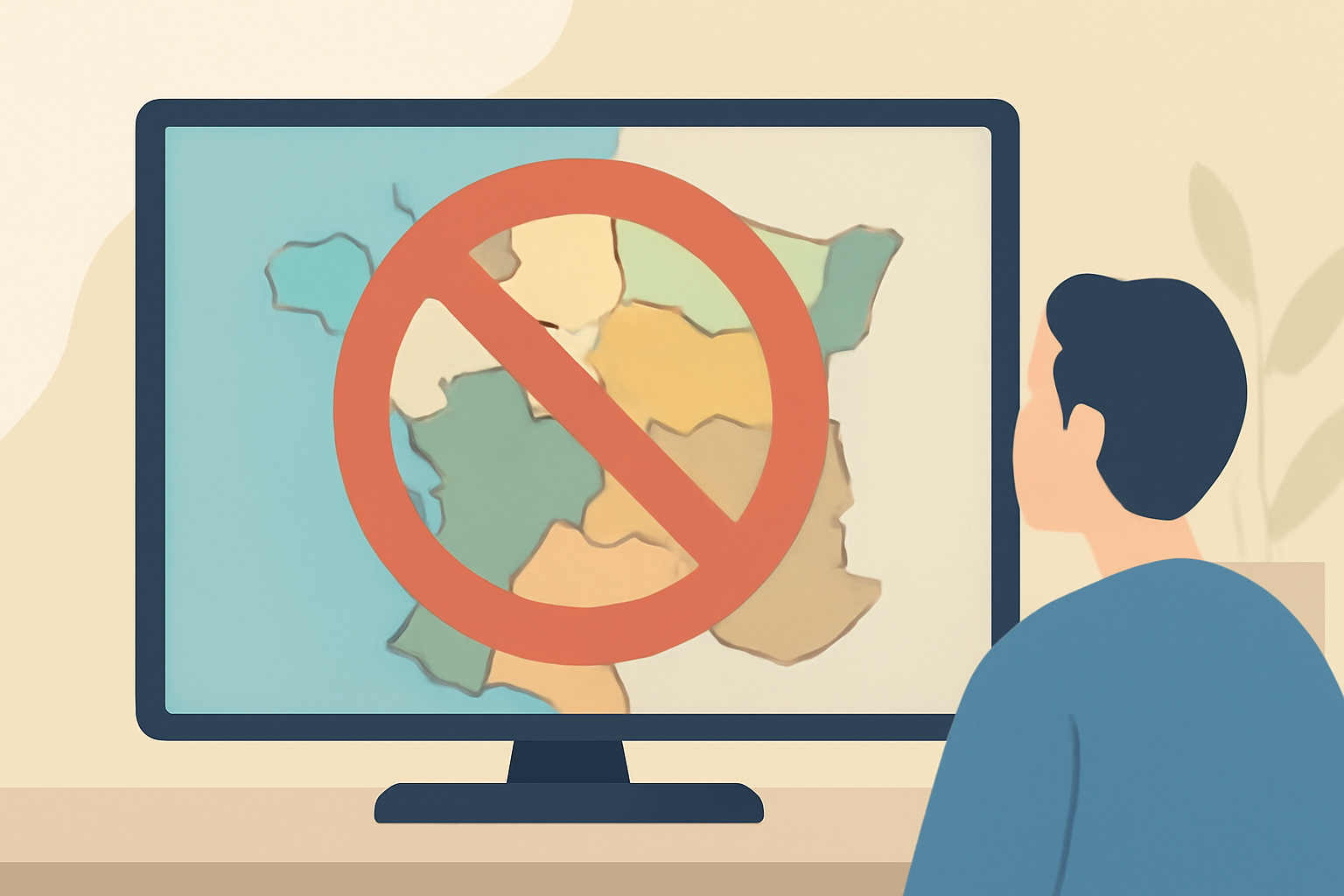
Sports blackout rules are built on the simple fact that sports leagues sell regional rights to broadcast games. If a game is seen by a large audience in one market, the league sells the rights for that specific region to a local broadcaster or streaming service. The local rights protect revenue for teams and leagues by ensuring there is a reason for local fans to subscribe to in-market options. In practice this means if you live outside the game’s designated market, the official feed may not be accessible or it may be shown on a sister channel rather than the main feed. The intent is to prevent fans from skipping local television and to preserve valued regional audiences. For people who want to follow a team that is not in their local area, this framework creates a predictable set of restrictions tied to where you are physically located when you access the stream. You can see how regional rights determine availability in many leagues and competitions. For example, check our Best sports streaming service ranked for how services handle local blackouts across leagues, and look at how How to watch Premier League in the USA explains regional availability for soccer.
How blackout enforcement works in practice
Blackouts are enforced through a combination of technology and rights metadata. When you try to start a stream, a service may check your IP address, your device location, and sometimes your account’s registered location. If the game is blacked out in your area, the service will either block the feed or show an alternate stream such as a regional presentation or a notice. Some services also rely on geolocation data and payment regions to enforce limits. Because the system depends on where you are, using a virtual private network or trying to spoof your location often runs afoul of the terms of service. It is not a recommended workaround because it can lead to account penalties or loss of access. If you want to know more about general privacy and how location data is handled, you can read up on VPN & Privacy and related sections on our site.
Which sports and services are typically affected
Blacked out games impact several kinds of services, especially those that carry regional or national rights. In the United States, local market broadcasts and national packages routinely interact with blackout policies for the following categories:
- Local broadcast RSNs and regional sports networks that hold the rights for a city or metro area.
- National broadcast partners that have exclusive windows in certain regions.
- In some cases, streaming platforms that simulcast RSN feeds as part of a broader package are subject to blackout rules in specific markets.
If you are unsure whether a specific game is blacked out in your area, consult the in-app or in-browser help pages of your chosen service. You can also compare options with our guide on How to Watch NFL Games: Every Legal Option Explained to understand how rights are allocated and how legal pathways differ from region to region.
The legitimate ways to watch a blacked out game
There are several legal routes to watch a game without breaching terms or resourcing questionable streams. The key is to rely on options that are explicitly allowed and supported by rights holders and platforms. Here are common approaches:
In-market live streaming or cable/antenna solutions
If your team is in your local market, you can usually watch more freely through in-market streaming plans or local RSN subscriptions. These plans are designed to deliver the same feeds that you would receive on local television. If you want an up-to-date sense of what is possible in your region, check our guides such as How to Watch NFL Without Cable in 2026 and How to watch Premier League in the USA. These pieces outline legitimate pathways involving local channels and in-market streaming packages that carry the rights.
OTA antenna and local broadcast options
Another legitimate route is to use an over-the-air antenna to pick up local broadcast stations that carry your team’s games. This method eliminates some streaming constraints and can be a good baseline to ensure you have access to local feeds without relying solely on subscription packages. For fans who want to pair OTA with streaming, this combination often yields a more complete picture of local games.
Local RSN subscriptions
Right-holder networks often offer dedicated streaming options that are specifically tied to a region. Signing up for a local RSN’s streaming service, when available, can give you access to the game in your city or metro area. This approach is widely regarded as legitimate and aligns with the rights framework that governs blackout policies. If you are evaluating options, our guide to evaluating streaming services includes a section on in-market plans and RSN availability, and you can also browse Best sports streaming service ranked for context on which services provide solid regional access.
In-market plans and bundles with national feeds
Some fans prefer bundles that include a mix of in-market feeds and national channels. In this case the service has secured both the regional right to show the in-market game and access to broader national programming. When choosing a plan, compare how it handles blackout rules in the regions you care about and whether the package includes the specific regional feed you want. For event specific games, you can look at team or league pages that explain in-market availability and legal viewing options. For soccer fans, the Premier League offers a variety of options to watch in different regions, as discussed in our How to watch Premier League: US, UK & Worldwide Options guide.
Moving to an in-market plan if you relocate or travel
If you relocate or frequently travel within your team’s market, moving to an in-market plan makes sense. It ensures you have access to feeds you would expect to receive from your home market. When evaluating this option, check whether your service allows you to switch the billing region or to add the in-market package without breaking terms. Our guides on how to watch NFL without cable provide practical steps for adjusting plans and maximizing access under the rules.
What people often misunderstand about blackouts
A common misconception is that blackouts are a thing of the past or that they can be bypassed by simply choosing a different streaming service. The reality is that blackout rules are built into the rights framework and are enforced by the platforms that carry the games. VPNs or other location spoofing tools may seem tempting, but they typically violate terms of service and can lead to account limitations or bans. For a balanced view of how to approach privacy while watching sports online, see our overview in the VPN & Privacy section.
A practical comparison of options
Here is a quick comparison for how different approaches to blackouts typically stack up in real life. The table focuses on legitimacy, access, and potential limitations.
| Option | Legality | Typical access to local games | Potential drawbacks |
|---|---|---|---|
| In-market streaming plan | Legal when purchased for the right market | High for local games in your market | May require verification of location; not available outside the market |
| Local RSN subscription | Legal and common | Good for regional games and exclusive feeds | RSN availability varies by service and region; may require equipment |
| OTA antenna plus streaming | Legal; free local channels | Excellent for local broadcasts; supplemental feeds via streaming | Limited to local channels; some games still require cable or streaming for non-local markets |
| Moving to in-market plan | Legal if you are in the market | Strong for your city or metro area | Changing location or billing region may be impractical for some fans |
Common questions and quick answers
- Do blackout rules apply to international viewers? Yes, many leagues enforce regional restrictions even for fans outside the country. If you travel across borders or live abroad, your access to certain feeds may differ from what you see at home.
- Can I watch the game on a national stream if it is blacked out locally? Sometimes a national feed is offered despite blackouts on the regional feed. This depends on the league’s rights and the service. For a broader look at what’s available, see our guide How to Watch Formula 1: Every Session, Every Option.
- Are there legal companies that specialize in blackout management for fans? Most major streaming services and local RSNs advertise their legitimate options directly. If you are unsure about a plan, review the terms of service and the official help articles for your platform. Our guide to the best live TV streaming services can help you compare features and blackout handling: Best live tv streaming service: 2026 comparison.
How to think about privacy and location when watching sports
When a service uses your location to enforce blackout rules, this underscores why privacy controls matter. You can manage privacy by reviewing what data is collected and how it is used in your streaming apps. The VPN route is a gray area legally and in terms of service. It often breaches user agreements and can lead to account penalties. If you want to protect your privacy without risking access to content, consider using reputable privacy features and understanding the rights and limits of the service you use. For more on privacy considerations, see our VPN & Privacy section and related articles on streaming safety.
Real-world takeaways for sports fans
- Blackouts still exist because regional rights are a central part of how leagues monetize broadcasts. The key is to understand which rights exist in your area and what options are officially supported by the rights holders and streaming services.
- If a game is blacked out where you are, explore legal in-market streaming options, local RSN subscriptions, or OTA broadcasts as your primary routes. These options are designed to be reliable and compliant with the rights framework.
- Before attempting any workaround, read the terms of service of your streaming platform. Avoid unapproved methods and look for official guidance on how to watch within the rules in your region.
How to navigate specific matchups and leagues with blackout considerations
- For NFL fans, several legitimate options exist to watch in-market games, including in-market streaming bundles or local channels. Our guide How to watch NFL without cable in 2026 provides a practical overview of what is legally accessible in different scenarios.
- For European football followers in the United States, official streaming packages often include different combinations of national and regional feeds. The Premier League in the USA has multiple sanctioned routes, which you can explore in our [How to Watch the Premier League] guides. Always verify the local availability and the terms of the plan you select.
Related sections you may want to consult
- IP and privacy basics for streaming devices are covered in our Device Guides (section) and VPN & Privacy (section).
- For a broad sense of how to cut the cord and still get good access to live sports, see how to cut the cord with live TV streaming and our overview of the best live tv streaming service: 2026 comparison.
- If you are curious about official ways to watch a specific matchup, see our dedicated pieces like How to Watch Arsenal vs Coventry City Live or How to Watch Bayern Munich vs Stuttgart Live which explain legitimate streams for specific teams.
Bottom line
Sports blackout rules exist to protect regional rights and keep local markets financially viable. While the idea behind blackouts is to ensure teams and leagues are compensated for regional broadcasts, fans still have legitimate, service-supported paths to watch games. Depending on your location, you can often access in-market streams, local RSN subscriptions, or local channel broadcasts to view the game legally. VPNs and other location spoofing methods are not recommended because they commonly violate terms of service and can lead to penalties or loss of access. When in doubt, start with official in-market options and continue with legitimate local broadcasts or bundles. If you want a practical comparison of services and how they approach blackouts, you can explore our in-depth guides and compare options as you plan your season. For background on related topics, our sports and device sections offer practical advice and context.
Frequently Asked Questions
What are sports blackout rules?
They are regional restrictions based on where you are and which rights holders cover the game.
Is using a VPN allowed to bypass blackouts?
Most streaming services prohibit VPN use in their terms and may block accounts.
What legal options exist to watch blacked out games?
In-market subscriptions, local channels, and official streaming options from rights holders.
This is an independent editorial site. We do not host, sell, or distribute any streams or subscriptions. Always verify that a service is properly licensed in your country. Some links may earn us a commission at no cost to you.