IPTV vs Cable: Which Is Right for You?
IPTV vs Cable: Core Differences
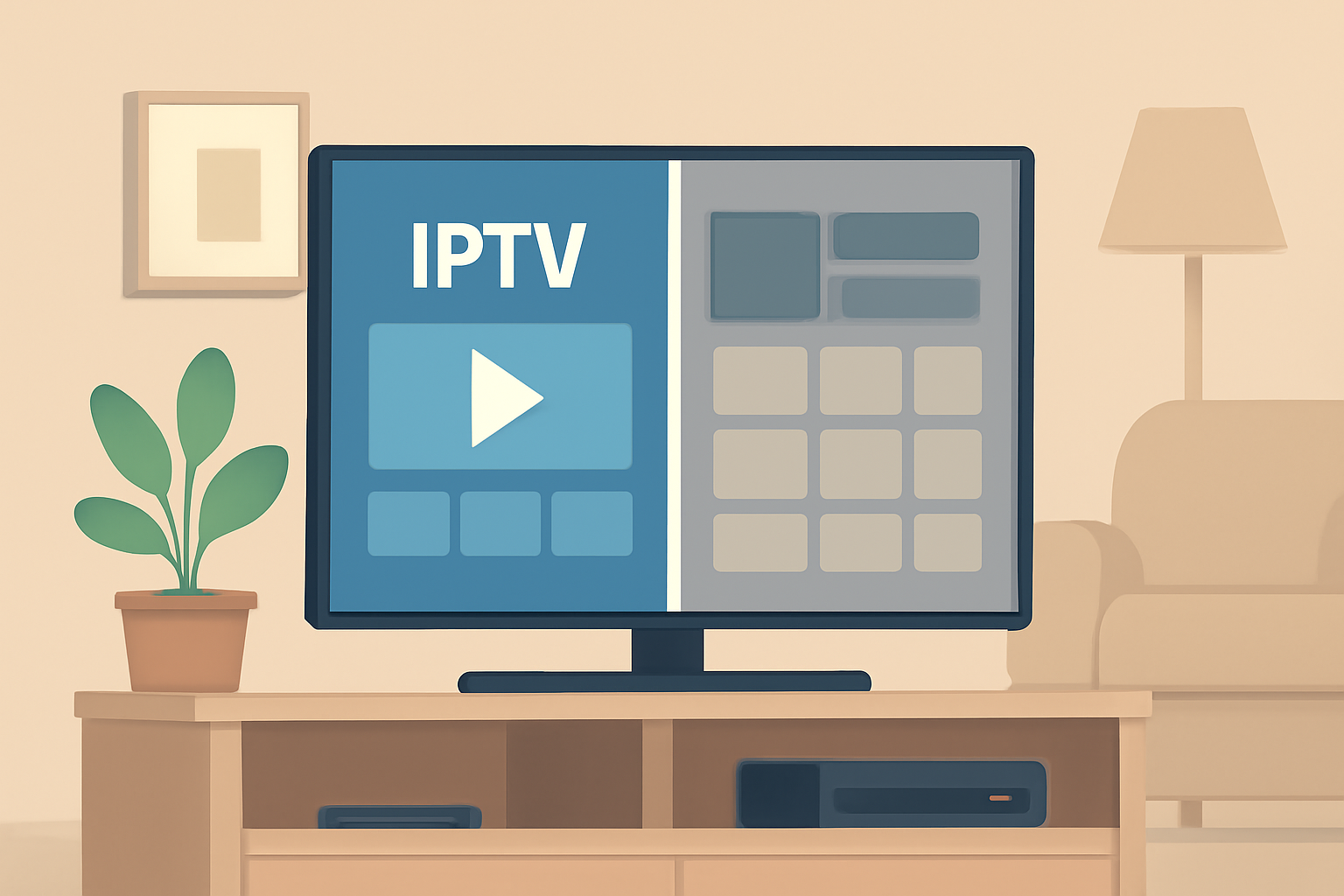
IPTV stands for internet protocol television. It delivers video over your home internet rather than through coaxial cables into your home. Cable uses a dedicated coax network owned by a provider to bring TV channels to your set top box. For many viewers this distinction matters in price, reliability, and the options available for live channels and on demand. When you weigh iptv vs cable, consider not just monthly price but also channel accessibility, support, and the legal framework around the service. For practical guidance on choosing a legal IPTV option, check our How to Choose a Legal IPTV Service: A Buyer’s Checklist and our Best IPTV Service: Buyer Checklist Guide. If you want a quick sense of app choices, see our IPTV App Roundup: Best IPTV Apps for Android, Firestick and Smart TV. For context on streaming legality and what to avoid, read Free IPTV: What Is Legal and What Is Not.
Price comparisons and what you actually get
IPTV services typically price on a monthly plan that includes a bundle of channels and sometimes on demand, with add-ons for premium networks. You might see lower base prices than cable, but the total can rise with regional sports networks, cloud DVR, and multi-screen access. Cable pricing often includes regional sports networks and premium networks in a single bundle. It can be easier to predict, but the advertised price rarely stays the same for long due to promotional periods and equipment fees. To understand how prices stack up in real life, read Digitaline IPTV Review: What the Pricing Actually Tells You and compare with other pricing notes in our buyer guides. See how a service’s pricing translates to content when you compare IPTV versus traditional bundles with a careful eye on any setup or device fees. And if you are evaluating a specific service, our guides on how to choose a legal IPTV service can help you spot hidden costs and ensure you are within the legal guidelines.
Channel selection and content breadth
Cable often provides a broad range of channels in standard bundles and a la carte options. IPTV can offer many of the same channels when you pick a licensed provider, but the exact lineup varies by service and region. Live sports rights, regional networks, and local channels affect what you can get. IPTV also tends to offer more flexibility for on demand content and apps within a single interface, but you should verify the channel list and on demand catalog before committing. If you want to see how a service stacks up on channels and features, read more about how to choose a legal IPTV service and compare with mainstream streaming options like YouTube TV or Hulu with Live TV.
Reliability, performance, and buffering
Reliability often matters more with live TV. Cable networks have dedicated infrastructure, so outages can be less frequent in normal conditions, but bad weather can affect both cable and fiber networks. IPTV reliability hinges on your home internet connection and the provider’s delivery method. IPTV can work well with a solid broadband connection but is more sensitive to network congestion or Wi Fi interference. If you experience buffering or glitches, our IPTV buffering guide explains common causes and fixes, and it can help you optimize your setup so you stay within legal streaming parameters. If you want practical steps to address buffering in general, you can also review our VPN and privacy guidance before using any streaming service.
Legality and safety
legality is a major difference between IPTV vs cable. Cable is regulated and delivered by a licensed operator with reported rights to carry channels in a given region. IPTV can be legal when you use licensed providers and official apps. It becomes risky when customers turn to unlicensed or free IPTV sources. Always verify a provider’s licensing and read the service’s terms to stay on the right side of the law. Our articles on free IPTV legality and how to choose a legal IPTV service provide practical checks you can apply before signing up. For a broader sense of how the ecosystem works, you can also consult sources like the Wi Fi Alliance and standard bodies that govern streaming practices to understand how devices and networks interact with IPTV and cable.
Hardware and setup differences
With cable, you generally use a set top box or built into a modern smart TV, and the service is included through the provider. IPTV commonly uses an app-based approach on devices like smart TVs, streaming boxes, or mobile devices. An IPTV player can influence your experience significantly, which is why many users read reviews of players like TiviMate Smarters and XCIPTV to understand how to organize channels and sources. If you want to compare what hardware and apps perform best, see our Best IPTV Player Review: Comparing TiviMate Smarters and XCIPTV and IPTV App Roundup: Best IPTV Apps for Android, Firestick and Smart TV. For more on picking a reliable service, check our Best IPTV Service: Buyer Checklist Guide.
A practical side by side
To help you weigh the two options at a glance, here is a quick side by side comparison. This table focuses on price, reliability, legality, channel choice, and flexibility.
| Feature | IPTV | Cable |
|---|---|---|
| Typical price range | Generally lower base price, with add-ons for sports and DVR | Bundle price often higher and can include more channels |
| Reliability | Depends on home internet and provider delivery method | Consistent on a dedicated network, less susceptible to local Wi Fi issues |
| Legality | Legal when using licensed providers, risky with unlicensed streams | Fully legal when purchased from licensed operators |
| Channel variety | Broad range, depends on provider and region | Broad and predictable, includes local networks in many packages |
| On demand and apps | Strong on demand support with apps on many devices | On demand available but interface varies by operator |
| DVR and cloud features | Cloud DVR often available with add-ons | Traditional DVR options with equipment or cloud options in some packages |
How to choose between IPTV and cable
- Start with your channel priorities. If sports and local channels are essential, compare the exact channel lists offered by licensed IPTV services in your region and the local cable package. You can use our buyer guides to help identify which channels are must haves and which are optional.
- Check internet reliability. If you have high speed broadband with consistent performance, IPTV can be a very good option. If your internet is variable, cable might offer more predictable performance. It can be worth running a speed test and reading reviews about the service’s performance in your area.
- Compare total costs. Add up the monthly price, equipment fees, and any mandatory add ons. A lower base price on IPTV can still end up more expensive if you need multiple add ons for the channels you want. Cable pricing can appear higher but may include more channels and DVR features in one package.
- Verify licensing and legality. This is essential for peace of mind and to avoid violating laws or risking service shutdowns. Use our guides on how to choose a legal IPTV service to verify that the provider meets licensing requirements and that the service is legitimate.
- Consider user experience and devices. IPTV often offers flexible app support across many devices. If you value a single, user friendly interface with easy channel organization, dive into our best IPTV player reviews to see which players deliver the best experience on your hardware.
Real-world insights from experienced readers
A growing number of households mix streaming approaches. Some households rely on a primary paid streaming service for a stable lineup of major networks and then supplement with licensed IPTV for regional channels or a larger sports portfolio. If you want a deeper dive into pricing and what it means for a typical user, a good starting point is Digitaline IPTV Review: What the Pricing Actually Tells You. If you are comparing against direct streaming services like YouTube TV or Hulu with Live TV, remember that those platforms themselves negotiate rights and may have different regional availability and cloud DVR policies. Our guides on best live TV streaming service and direct service reviews can help you compare with the broader streaming landscape.
Taking privacy into account
IPTV and cable both carry privacy considerations. IPTV runs over your home network, so you should secure your WiFi with strong passwords and consider a reputable privacy approach when using any streaming service. It is also wise to stay aware of the data collection policies of any service you sign up for and to review our VPN and privacy resources when configuring a streaming setup. If you want to learn more about privacy on home networks, check out our VPN & Privacy section for practical steps and best practices to stay protected while watching. For a bigger picture of how streaming formats fit into the broader ecosystem, you can read about 4K streaming improvements and the basics of live TV streaming.
Related guides and deeper reads
- How to Choose a Legal IPTV Service: A Buyer’s Checklist
- Best IPTV Service: Buyer Checklist Guide
- IPTV Buffering: Why It Happens and How to Fix It
- EPG Explained: How IPTV Program Guides Work (and How to Fix Them)
- Free IPTV: What Is Legal and What Is Not
- Device Guides (section) for setting up IPTV on different hardware
Practical steps to get started
- Identify your must-have channels and any regional sports you want in a plan. Compare licensed IPTV packages against local cable offers in your area.
- Confirm that the IPTV service is legally licensed and supports official apps on your preferred devices.
- Test your internet connection and optimize your home WiFi to minimize buffering. If needed, review our article on IPTV buffering for practical fixes.
- Choose a hardware path that suits your setup, whether that means a smart TV app, a streaming device, or a dedicated IPTV player. See our IPTV App Roundup for guidance on selecting the right app for your device.
Bottom line
IPTV and cable each have strengths and trade offs. IPTV can offer cost flexibility and app based convenience, but it relies on your home internet and requires careful verification of licenses. Cable provides a familiar, often stable experience with bundled channels and predictable pricing, though it can be pricier and less adaptable to niche or regional needs. The right choice depends on which channels you want, how much you are willing to pay, and how important reliability is for your watching habits. If you are leaning toward IPTV, use our buyer checklist and review recommended guides to pick a legitimate service that fits your setup and keeps your viewing experience simple and legal.
Bottom line links and further reading:
- For a quick, practical guide on legal choices see How to Choose a Legal IPTV Service.
- If you want a consolidated evaluation of options in a broader context, browse Best live tv streaming service: 2026 comparison.
- To understand more about how IPTV apps and players compare, read Best IPTV Player Review: Comparing TiviMate Smarters and XCIPTV.
Frequently Asked Questions
Is IPTV legal where I live?
Legal IPTV depends on using licensed services. Look for official providers and avoid unlicensed streams.
Do I need a special device for IPTV.
Many IPTV services work on smart TVs, streaming boxes, and mobile apps. Check the provider’s requirements.
Can I watch sports with IPTV or cable?
Both can offer sports channels, but availability varies by service and package. Compare channel lists and regional rights.
This is an independent editorial site. We do not host, sell, or distribute any streams or subscriptions. Always verify that a service is properly licensed in your country. Some links may earn us a commission at no cost to you.